


Does Homeowners Insurance Really Cover Hurricane Damage?


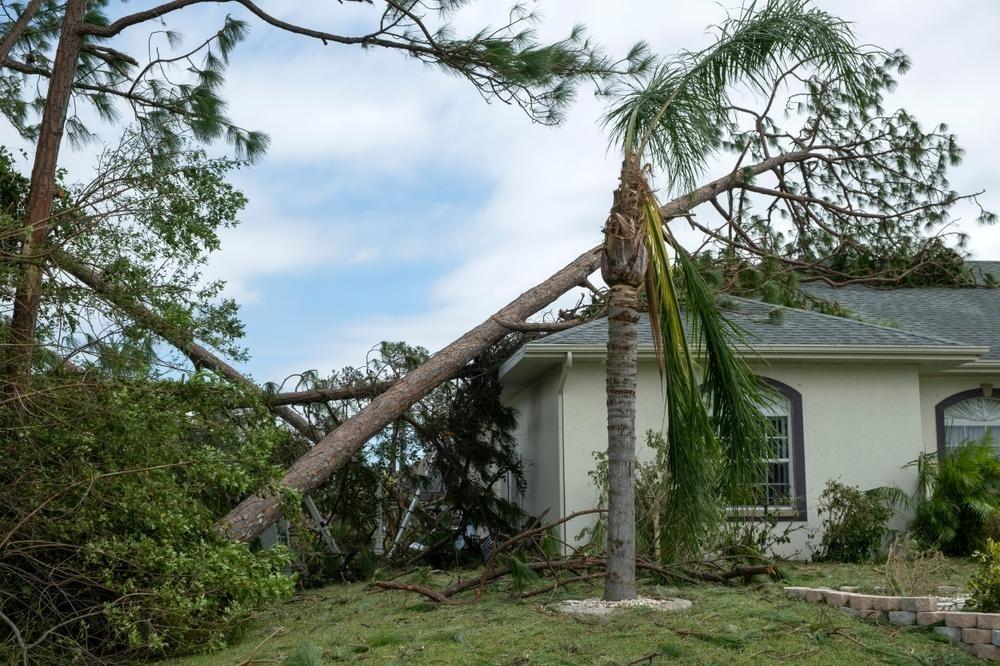
For a homeowner in Florida, a hurricane is not just a matter of preparing for strong winds. After a storm, you may be dealing with a damaged roof, broken windows, fallen trees, flooded rooms, and damaged belongings. But the fact that damage occurred during a hurricane does not mean that homeowners insurance will automatically cover all the costs. What matters is what exactly caused the damage, what coverage is included in your policy, and which deductible applies.
What Homeowners Insurance May Cover After a Hurricane
A standard homeowners insurance policy may cover damage to your home caused by certain covered perils. In the case of a hurricane, one of the most important is wind damage. For example, strong winds may damage the roof, tear off part of the roofing material, or break a window. If windstorm damage is included in your coverage and the specific situation is not subject to any policy exclusions, the insurance company may cover the cost of repairing or restoring the damaged property after the deductible is applied.
Coverage may apply not only to the structure of the home itself. Depending on the terms of the policy, homeowners insurance may also provide compensation for damaged personal property and additional living expenses if the home temporarily becomes uninhabitable because of covered damage.
But it is important not to think of homeowners insurance as universal protection against all the consequences of a hurricane. The source of the damage determines which insurance policy may apply.
A Hurricane Deductible Can Significantly Change the Amount of Compensation
One of the most important details for Florida homeowners is the hurricane deductible.
Unlike a standard deductible, a hurricane deductible may apply to covered damage caused by a hurricane. In a policy, it is often listed as a percentage of the home's insured value rather than as a fixed dollar amount.
For example, if a home is insured for $400,000 and the hurricane deductible is 2%, that means $8,000. If covered hurricane damage is estimated at $30,000, the $8,000 deductible will be taken into account before determining the amount the insurance company will pay.
Specific rules depend on your policy, so the percentage listed in your documents is much more important than general examples. It is worth checking your hurricane deductible in advance rather than after the home has already been damaged.
Flooding and Storm Surge Are a Separate Issue
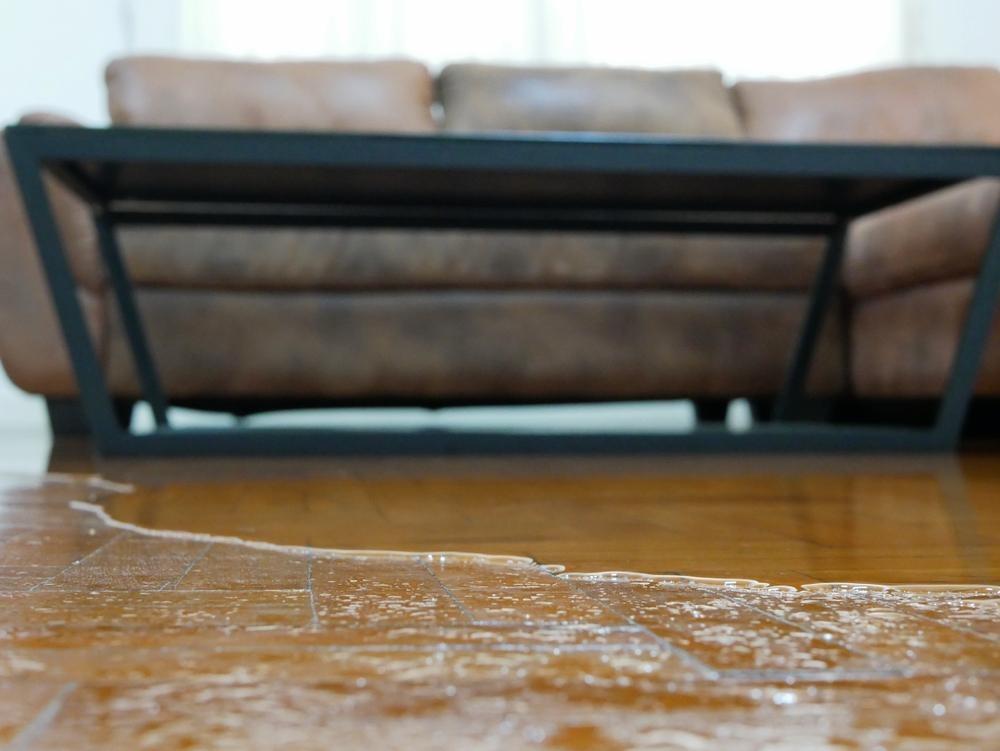
One of the most common misunderstandings after a hurricane is assuming that any water inside a home automatically qualifies as a covered loss under homeowners insurance. That is not the case.
Standard homeowners insurance generally does not cover flooding. So if water enters the home because of flooding or storm surge, you may need a separate flood insurance policy for this type of damage.
This is especially important for residents of Tampa Bay and other coastal areas of Florida. During a severe storm, a home may be damaged by several factors at the same time. For example, wind may damage the roof while storm surge floods the first floor. These two types of damage may not have the same insurance coverage.
That is why after a hurricane, it is not enough to simply tell the insurance company that the “house was flooded.” It is important to determine the cause and circumstances of the damage.
Why It Is Important to Determine the Source of the Water
Imagine this situation: after a hurricane, there is water inside the home and part of the ceiling is damaged. At first glance, it may seem like ordinary water damage, but for the insurance company, it is crucial to determine where the water came from.
If strong winds damaged the roof and rainwater entered the home through the opening, the situation may be treated differently than flooding caused by water entering the home from outside due to flooding or storm surge.
That is why after a storm, it is worth documenting as precisely as possible not only the damage itself, but also the circumstances in which it occurred. Photos and videos can help show the condition of the home and property before repair work begins.
What If a Tree Falls on the Home?
Fallen trees are another common consequence of a hurricane. If a tree damages an insured part of the home, such as the roof or a wall, the damage may be covered by homeowners insurance depending on the terms of the policy and the cause of the tree falling.
At the same time, the situation is different if a tree simply falls in the yard without damaging insured property. And if it damages a vehicle, the issue falls under auto insurance rather than the homeowners policy.
It also matters who owned the tree and what exactly was damaged. So you should not assume that any costs associated with removing a fallen tree will automatically be reimbursed by the insurance company.
What to Check in Your Policy Before a Hurricane
The best time to understand the limits of your insurance coverage is before you need it.
In your policy, you should first check whether windstorm coverage is included, what hurricane deductible applies, and what exclusions are included in the contract. It is also important to know the limits for dwelling, personal property, and additional living expenses.
You should also find out whether you have flood insurance. Having homeowners insurance by itself does not mean that your home is protected against flooding or storm surge.
If you are not sure what your policy covers, it is better to get an explanation from your insurance company or an insurance professional before the storm begins. This is also a good time to check whether your coverage reflects the actual cost of rebuilding the home and replacing your belongings.
What to Do If a Hurricane Has Already Damaged Your Home
After the storm, first make sure it is safe to be inside the home. Then document the damage with photos and videos before beginning major cleanup or repairs.
If emergency repairs are necessary to prevent further damage, keep the documents and receipts for those expenses. You should also avoid throwing away damaged items right away unless there are safety or health reasons to do so.
The next step is to notify your insurance company as soon as possible and file a claim according to the terms of your policy. The insurance company may send an adjuster to inspect the damage, so it is important to preserve evidence of the home's condition after the storm.
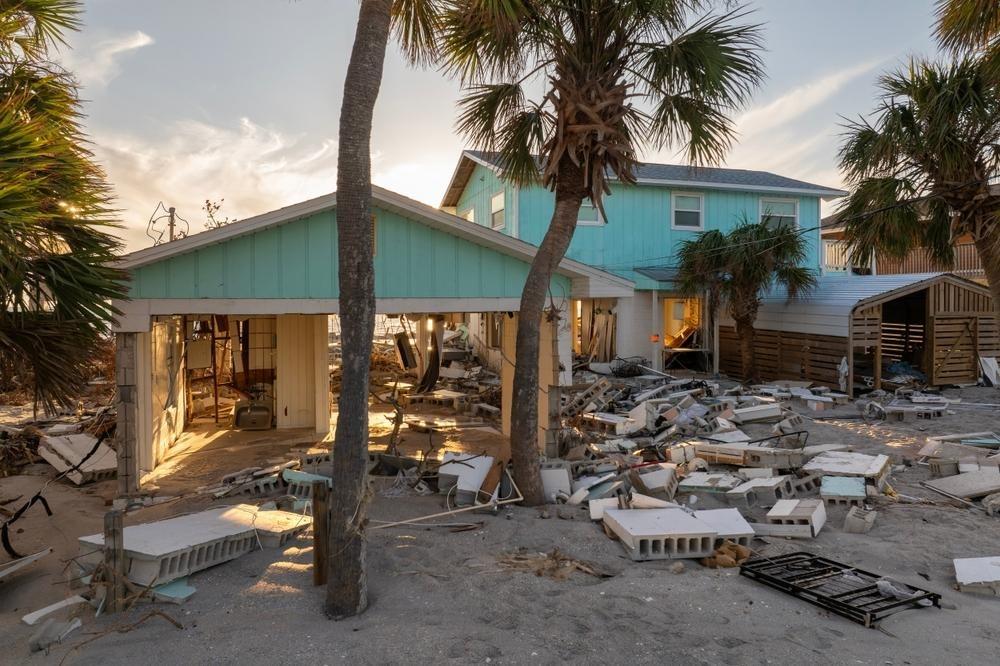
The main takeaway is simple: homeowners insurance may cover some hurricane-related damage, but not all possible consequences of a storm.
Wind damage, flooding, and storm surge may be subject to different rules and different insurance policies. Even when a certain type of damage is covered, a hurricane deductible can significantly affect the amount a homeowner receives from the insurance company.
The best way to avoid unpleasant surprises is to review your policy before a hurricane, understand your deductible, and separately assess whether you need flood insurance. If you see that your current coverage does not meet your needs, hurricane season is the time to compare available homeowners insurance options in Tampa Bay.


ABOUT TampaBayTide
FOR BUSINESS