


Different Types of Attorneys: Which One Do You Need?

When a legal problem comes up, the first thought is often simple: “I need an attorney.” But that alone isn’t enough to find the right professional. Legal practice covers dozens of areas, and an attorney who is highly experienced in real estate may not have the same level of experience in family law, criminal cases, or immigration matters.
In Florida, there are many officially recognized areas of legal specialization, including real estate, family law, criminal trial, immigration, tax, wills, trusts and estates, civil trial, and other fields. At the same time, not every attorney who primarily practices in a particular area has an official board certification.
That’s why for Tampa Bay residents and visitors, it’s important to understand not only where to find an attorney, but also what type of legal help you actually need.

Why One Attorney Isn’t Right for Every Legal Matter
The legal profession involves general training, but after becoming licensed, an attorney may focus their practice on specific types of cases. The Florida Bar specifically notes that attorneys may have a general practice or concentrate on particular areas, such as personal injury, real estate, commercial, or tax law.
The reason is simple: laws, court procedures, documents, and common risks can vary significantly depending on the situation.
For example, an attorney who handles a home purchase may work with purchase agreements, ownership rights, title issues, property restrictions, and other transaction-related matters. In a criminal case, an attorney needs to understand a different set of procedures, evidence, procedural rights, and interactions with prosecutors.
That’s why it’s better to replace the question “Can you help me?” with something more specific: “How often do you handle cases like mine?”
Start by describing your problem in one or two sentences. Do you need to buy a home? Are you having a dispute with your landlord? Were you injured in a car accident? Do you need a divorce? Do you have questions about your immigration status? Is there a problem with a business contract? Then look for attorneys who regularly handle cases like yours.
The Florida Bar also recommends checking an attorney’s experience with your specific type of problem before hiring them, how much an initial consultation costs, how fees are structured, and exactly what is included in the proposed services.
Real Estate Attorney
A real estate attorney handles legal matters related to real estate. This can include buying or selling a home, reviewing documents, ownership issues, contracts, leases, title problems, HOA or condominium matters, land-related issues, financing, and real estate disputes.
For a homebuyer, this type of attorney can be especially helpful when a transaction involves complicated legal circumstances. For example, you may need help reviewing title documents, restrictions, outstanding debts, contract terms, or other potential risks.
We covered this topic in more detail in the article “How to Choose a Real Estate Attorney When Buying a Home.” If you’re planning to buy a home in Tampa Bay, it’s worth reading before choosing an attorney.
By the way, the official definition of real estate law in Florida covers much more than simply buying a home. It includes title examination, real estate conveyances, leases, condominiums, planned developments, zoning, financing, and real estate litigation.

Family Law Attorney
A family law attorney handles legal matters related to family relationships. These can include divorce, child custody, child support, adoption, and other family-related disputes.
One of the distinctive aspects of this area is that a case often involves not only legal but also deeply personal issues. Financial documents, information about children, property, and other circumstances can also be important to the case.
That’s why an attorney’s experience with a specific type of family law matter may be more important than their general legal experience.
Criminal Defense Attorney
A criminal defense attorney represents people accused of criminal offenses. These cases can vary significantly in complexity, from less serious charges to serious criminal cases.
Here, knowledge of criminal procedure and experience working with courts, prosecutors, and evidence are especially important. If someone has been arrested or charged with a crime, it shouldn’t be assumed that any attorney can handle the case equally effectively.
The Florida Bar recommends considering a consultation with an attorney, particularly when someone has been arrested or charged with a criminal offense.
Personal Injury Attorney
A personal injury attorney helps with cases in which someone has suffered an injury or other harm because of another party’s actions or negligence. These can include car accidents, injuries on someone else’s property, and other situations.
Issues such as liability, insurance, medical expenses, evidence of damages, and potential compensation can become especially important in these cases.
One important detail: in Florida, personal injury is not a separate area of The Florida Bar’s board certification. An attorney may devote a significant portion of their practice to these cases, but that does not automatically mean they are a board-certified specialist in personal injury. The Florida Bar separately explains the difference between a practice concentration and official certification.
Immigration Attorney
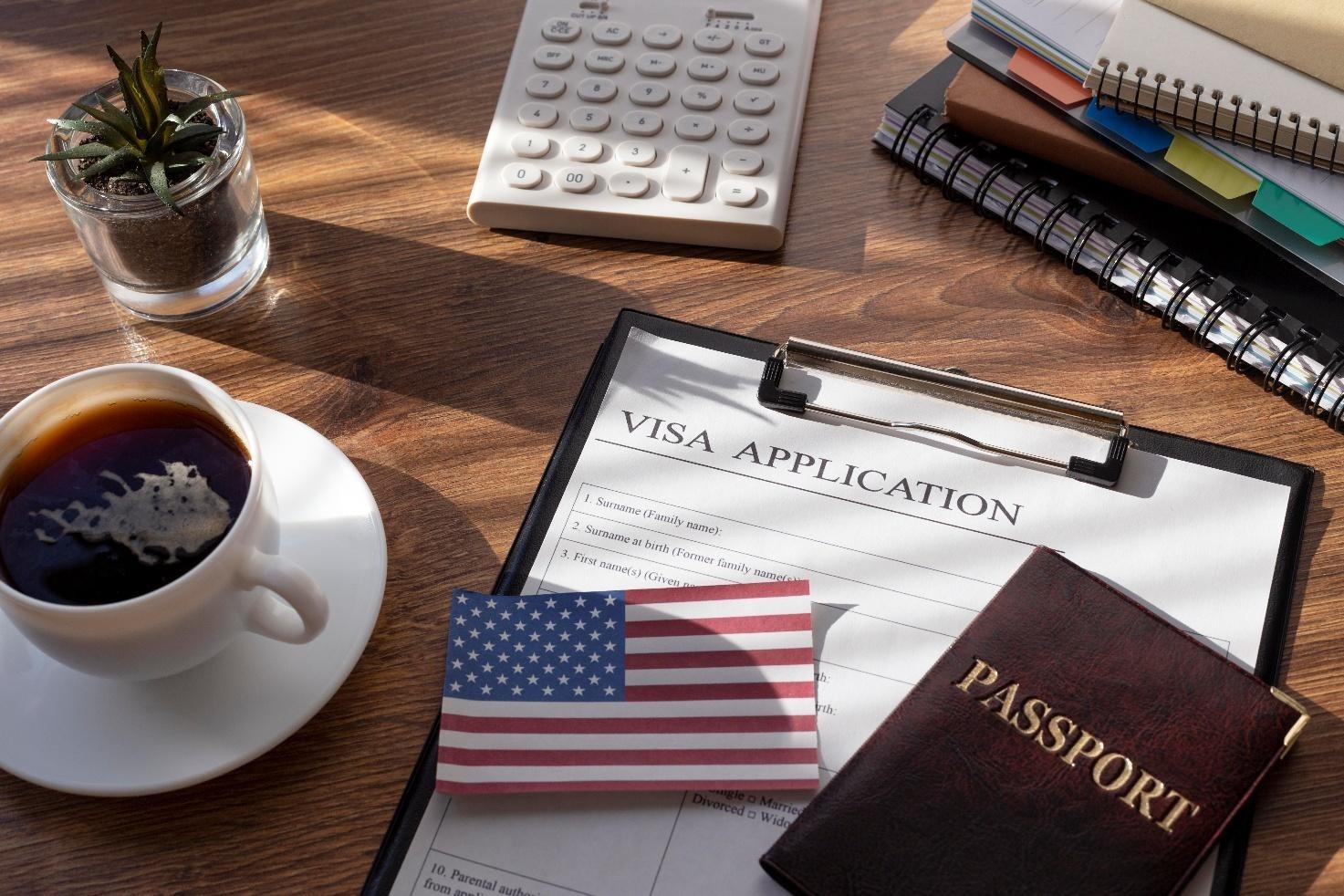
An immigration attorney handles matters involving immigration status, visas, green cards, citizenship, deportation proceedings, and other issues related to immigration law.
This is a particularly specialized area because immigration matters may involve not only U.S. law but also documents, a person’s previous immigration status, family circumstances, and the specific procedure involved.
If your problem involves immigration, it’s worth looking for an attorney who regularly handles your specific type of case rather than someone who simply has a general legal practice.
Business Attorney
A business attorney helps entrepreneurs and companies with legal matters related to running a business. These can include forming a company, contracts, partnerships, corporate matters, commercial disputes, and other legal aspects of business operations.
The needs of a small business owner may be very different from those of a large company involved in a complex commercial dispute. That’s why it’s worth asking not only whether an attorney works with businesses, but also what types of companies and problems they typically handle.
Tax Attorney
A tax attorney specializes in legal matters related to taxes. This can include tax planning, disputes with tax authorities, complex issues for businesses, or other situations that require a legal rather than purely accounting solution.
If the issue involves preparing a standard tax return, a CPA may be the appropriate professional. But if there is a legal dispute or a complicated legal situation, a tax attorney may be much more appropriate.

Wills, Trusts and Estates Attorney
A wills, trusts and estates attorney helps with planning the transfer of assets, preparing wills and trusts, handling inheritance matters, and dealing with probate.
This area can be especially important for people who own real estate, businesses, or other significant assets, have children, or want to decide in advance how their property will be distributed.
Estate planning is not just about who will receive your property after you die. Properly prepared documents can help determine many important legal matters in advance.
Employment or Labor Attorney
An employment or labor attorney handles legal matters between employees and employers. Depending on the situation, these can include employment contracts, discrimination, harassment, wage issues, termination, workplace disputes, and other conflicts.
Here, too, it’s important to determine which side and types of cases the attorney typically handles – employees, employers, or both.
Intellectual Property Attorney
An intellectual property attorney works with assets such as trademarks, copyrights, patents, and other intellectual property protection matters.
For a brand owner, designer, author, technology company, or other business, the issue may not involve physical property but rather the use of a name, logo, content, invention, or another intangible asset.
This is another example of a situation where general legal practice may not be enough: the applicable rules and procedures can be highly specific.
Does “Specialization” Mean an Attorney Has Official Certification?
Not necessarily.
This is one of the most important things to understand when looking for an attorney. An attorney may focus their practice on a particular area, but The Florida Bar’s board certification is a separate voluntary process.
To become board certified, an attorney must meet specific requirements, have at least five years of practice, demonstrate substantial experience in the relevant area, pass an examination, undergo peer review, and meet continuing legal education requirements. Certification is valid for five years and must be renewed.
That’s why phrases such as “focuses on,” “concentrates on,” and similar wording should not automatically be taken as proof of official certification.

What to Prepare Before Your First Consultation
Once you’ve found several potential attorneys, the next step is a consultation. And it’s important not to come with only a verbal explanation of the situation.
Documents, contracts, correspondence, bills, court notices, insurance documents, and other materials can help an attorney understand the problem more quickly. We covered this in our article “Getting Ready for a Legal Consultation: What Documents to Bring,” where we discuss what documents and information you should prepare for your first meeting.
This is especially important if your case is complicated or involves a large number of documents. A well-prepared consultation can not only save time but also help you ask the attorney the right questions.
Don’t Just Look for a “Good Attorney”
When it comes to legal matters, the idea of a “good attorney” is too general on its own. You don’t just need a professional with a good reputation. You need someone with the right experience for your specific type of case.
Sometimes areas of law overlap, and one case may require the involvement of several professionals. That’s why during your first consultation, it can be helpful to ask the attorney directly how closely your case fits their primary area of practice and whether they have experience with similar situations.
Choosing the right attorney doesn’t start with the most famous name or the most eye-catching advertisement. It starts with understanding what specific legal problem you’re facing.


ABOUT TampaBayTide
FOR BUSINESS