


Could Your Home Have Hidden Water Damage? Here’s What to Check

Water doesn’t always leave behind a puddle that’s easy to spot. A small leak behind a wall, under the floor, near the air conditioner, or in the attic can go unnoticed for weeks or even months. During that time, it can damage drywall, wooden structures, insulation, and flooring while also creating conditions for mold to grow.
This is especially relevant during hurricane season. The official Atlantic hurricane season runs from June 1 through November 30, with the highest activity typically occurring from August through October. NOAA is forecasting a below-average season this year, but that doesn’t mean Tampa Bay homeowners should pay less attention to water. Heavy rain, storm surge, and roof damage can create problems even without a direct hurricane strike. Even if a storm doesn’t pass directly over your area, heavy downpours and strong winds can expose weak spots in your roof, windows, drainage system, or exterior walls.
That’s why it’s worth checking your home for hidden water damage not only after obvious flooding. Regular inspections can help you catch a problem while it can still be addressed with a relatively small repair.
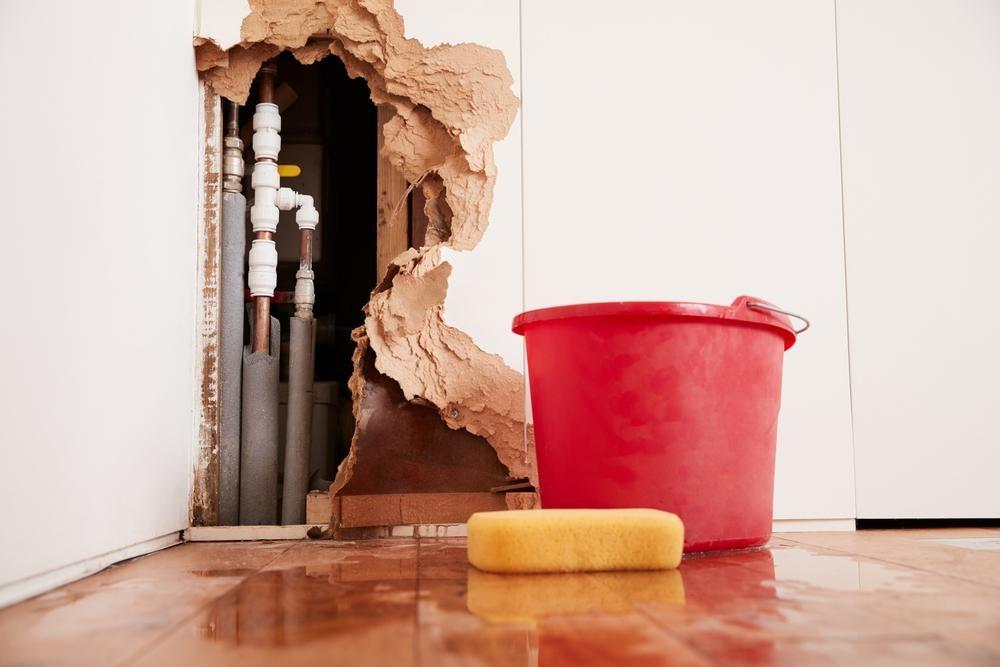
Start With the Smell
One of the simplest signs of a moisture problem is an odor. If a particular room, closet, hallway, or area near the air-conditioning system consistently smells musty or damp, it’s worth trying to find the source.
The smell alone doesn’t prove that there’s a hidden leak. Florida’s high humidity can make a home feel damp even when there’s no structural damage. But a persistent musty smell combined with stains, warping, or elevated moisture is a reason to take a closer look.
Mold grows especially well where there is a constant source of moisture. The Florida Department of Health notes that moisture can come not only from leaking pipes but also from roofs, walls, floors, air conditioners, storm flooding, and excessive indoor humidity. We covered the connection between moisture and mold, as well as how to deal with it, in more detail in our article “Mold: Why It Grows So Fast and How to Prevent It.”
Take a Close Look at Ceilings and Walls
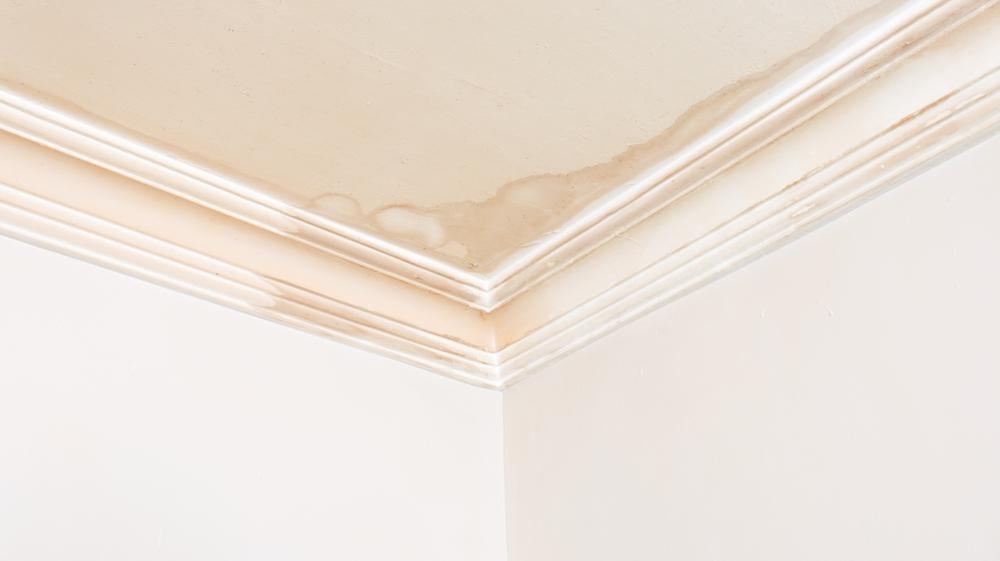
A ceiling stain is one of the most obvious warning signs, but it doesn’t always mean the source of the water is directly above it. Water can travel along beams, pipes, or other structures and show up several feet away from the actual leak. Look for yellowish or brown stains, darkened paint, peeling paint or wallpaper, bubbling surfaces, soft areas of drywall, and cracks that weren’t there before.
It’s especially important to compare the condition of the ceiling after heavy rain with how it looks during dry weather. If a stain becomes more noticeable after rain, it could point to a problem with the roof or the home’s exterior envelope.
Check the Floors, Baseboards, and Lower Walls
Hidden water often moves downward, so signs of a problem may appear near the floor even when the upper part of the wall looks completely normal.
Run your hand along the baseboards and look for warping, darkening, swelling, or areas that feel softer than others. On wood floors, look for warping, raised boards, or unusual gaps. Laminate flooring may begin to lift or warp along the seams. Carpet should also be checked, especially near exterior walls, doors, plumbing fixtures, and air conditioners. Moisture underneath the flooring may not be immediately visible, but it can show up as an odor or a change in the floor’s texture.
If a floor feels soft or springy in an area that used to feel solid, don’t simply wait and see what happens. Water may have gotten underneath the flooring or into the floor structure.
Don’t Ignore the Kitchen and Bathroom
Areas where the home regularly uses water deserve extra attention, so don’t overlook them simply because they seem like the most obvious places to check. Look under sinks, around toilets, bathtubs, and showers, and near dishwashers, washing machines, and water heaters.
Don’t look only for visible water. Swollen cabinet materials, warped flooring, darkened seams, signs of corrosion, stains on walls, or a damp smell can all be important warning signs.
After using a sink or shower, it’s also worth paying attention to whether new stains or drops of water appear where they weren’t there before. A slow leak can be much less noticeable than a sudden large release of water, but the effects of prolonged exposure to moisture can be serious.
Check the Air Conditioner
For a home in Tampa Bay, the air-conditioning system is another potential trouble spot that shouldn’t be overlooked. Condensation forms while the system is running, so problems with the drain pan or drain line can lead to water buildup. Look around the air handler and accessible drain lines. Water on the floor, stains around the equipment, an unusual odor, or areas that remain consistently damp can indicate a problem.
The Florida Department of Health specifically recommends checking areas around air-conditioning units, including drain pans and drain lines.
A properly sized and maintained system is important not only for comfort but also for controlling humidity inside the home. If you’re currently choosing or planning to replace an air-conditioning system, you may also want to read our article “What to Consider When Choosing an HVAC System in Tampa Bay.”
Check the Windows and Doors
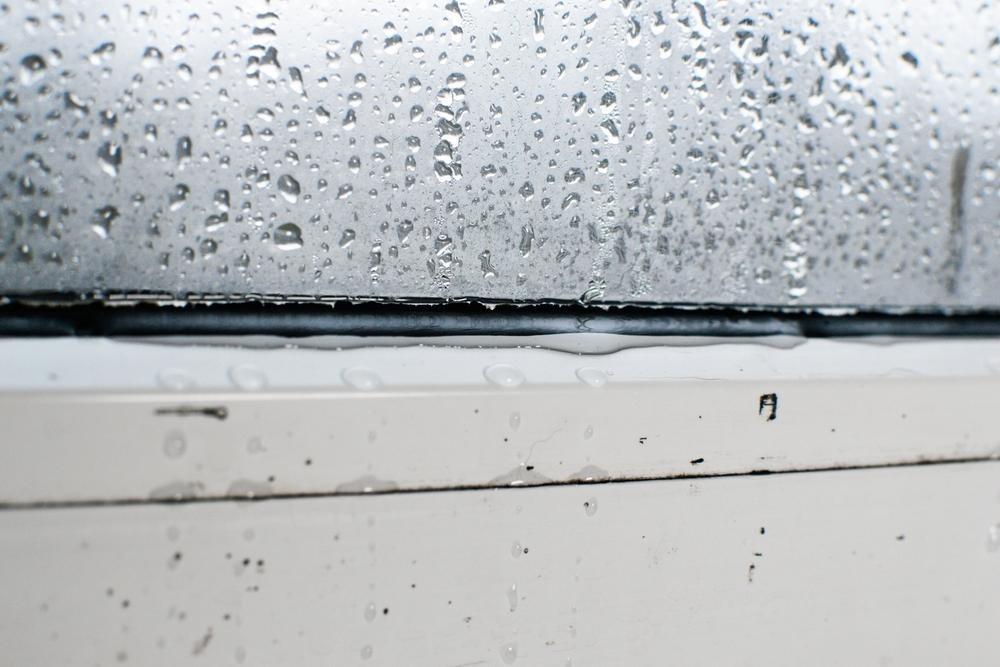
After heavy rain, water may get in not through the roof but through damaged seals, old caulking, or problems with window and door framing.
Inspect the corners around windows, the windowsills, and the bottom of the frame. Look for peeling paint, darkening, swelling materials, or signs of water.
It’s especially suspicious if the problem keeps coming back after rain. If a stain appears only during or after rainfall, it’s much more likely to indicate water intrusion from outside than ordinary household humidity.
Don’t Forget the Attic and Roof
The attic is one of the places where hidden damage can remain unnoticed for a long time. If the structure allows you to enter safely, check the insulation, wooden elements, and underside of the roof.
Look for dark stains, wet or compressed areas of insulation, water marks on wood, and a musty smell. After heavy rain, it’s especially important to check areas around vents, pipe penetrations, and other places where the roof has additional seams or openings.
You don’t necessarily need to climb onto the roof to inspect it from the outside. Start by looking at it from the ground and checking for missing or damaged roofing materials, flashing problems, and other visible changes. If you haven’t checked the condition of your roof in a while, take a look at our article “When Roof Repairs Aren’t Enough: Signs It’s Time to Replace Your Roof.”
However, remember that after a hurricane or major storm, a professional inspection may be safer and more accurate than trying to walk on the roof yourself.
Check Whether Your Water Usage Has Changed
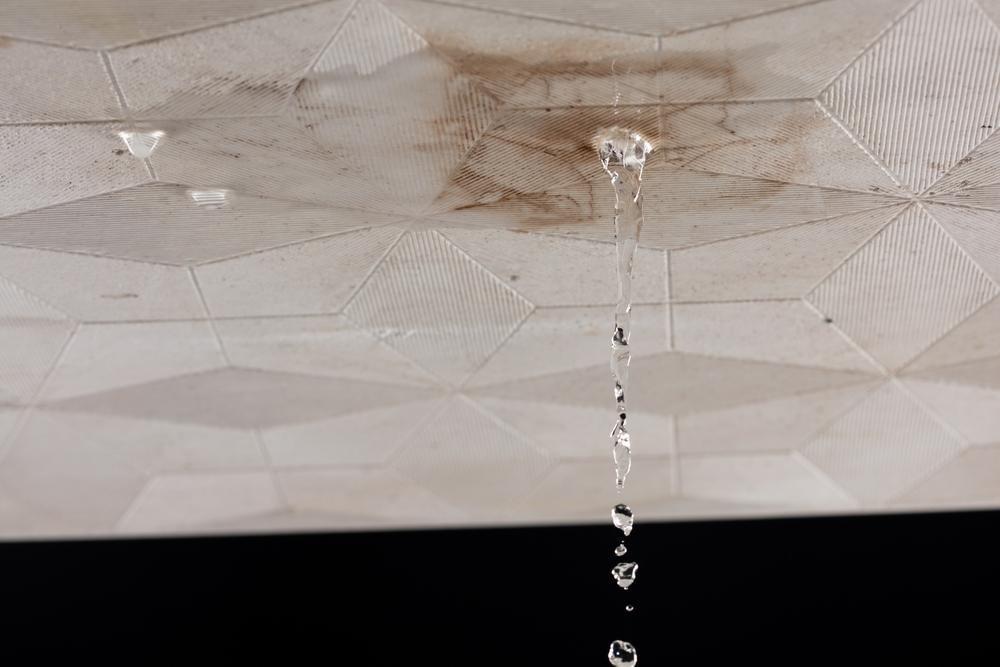
Sometimes your home can “tell” you about a hidden leak through your water bill.
If your habits haven’t changed but your water usage has noticeably increased, it’s worth checking the plumbing system. A small leak behind a wall or underneath the home may be nearly impossible to see, but water can still be running continuously.
If all faucets are closed and no water is being used, but the meter continues to show movement, that’s another reason to have the system checked for a leak.
What to Do If You Find a Suspicious Area
Don’t immediately cover a stain with fresh paint. That may make the problem less noticeable, but it won’t solve it. First, you need to identify the source of the water and make sure it has been fixed. Then, assess how badly the drywall, insulation, wood, flooring, or other materials have been affected.
If you see an active leak, a significant amount of water, a soft or warped structure, a strong musty odor, or signs of mold, it’s better not to limit the solution to cosmetic repairs. Depending on the source of the problem, you may need a plumber, roofing professional, HVAC technician, or water damage restoration specialist.
You also shouldn’t take apart a wall or ceiling yourself if you don’t know where electrical wiring or pipes run. Looking for hidden moisture shouldn’t create new risks.
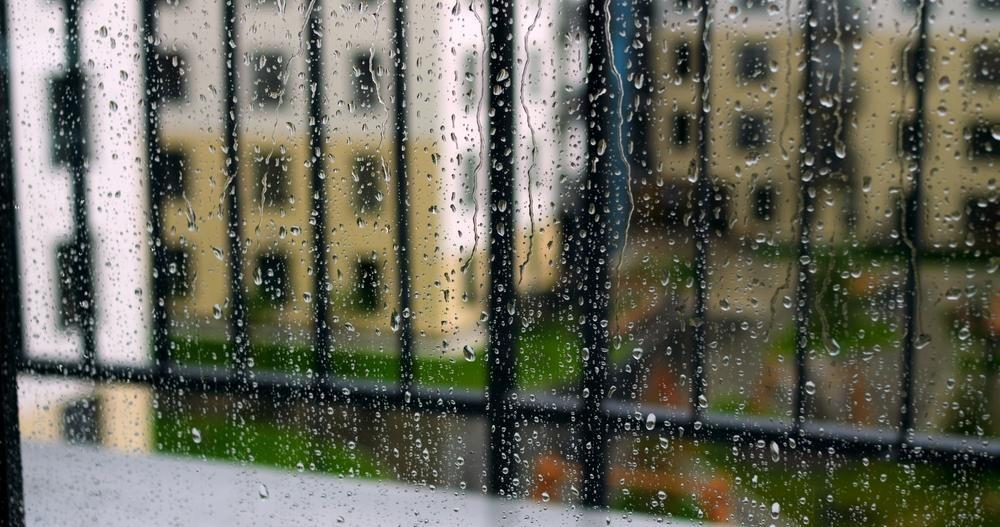
Check Your Home Carefully After Heavy Rain
There’s no reason to wait until water is literally dripping from the ceiling. Heavy rain can expose problems that are almost impossible to notice on a normal dry day.
After significant rainfall or a storm, walk through your home and check the ceilings, exterior walls, windows, floors, attic, and areas with plumbing fixtures. Outside, inspect the areas around the roof, gutters, downspouts, and foundation without attempting to enter or walk on a damaged structure yourself.
Late summer is a good time to check your home for hidden water problems rather than waiting for the next major storm to reveal them.
When the Problem Is No Longer “Minor”
A small stain after rain doesn’t necessarily mean there is extensive damage. But if the stain is growing, the problem keeps coming back, materials are becoming soft, a musty smell develops, or you see mold, it’s not worth putting off an inspection.
The biggest problem with hidden water damage is precisely that it can be easy to miss. Water can remain inside a structure while the outside of the home looks completely normal. The sooner the source of the moisture is found, the better the chance of limiting the repair to one specific area instead of having to restore a significant portion of a wall, floor, or roof.
For a homeowner, regular inspections aren’t about looking for problems where there aren’t any. They’re a simple way to make sure that after another heavy downpour or storm, a small leak doesn’t turn into an expensive repair.


ABOUT TampaBayTide
FOR BUSINESS