


Beat the Heat (and the Prices): How to Shop Seasonal Sales

Many shoppers wait for Black Friday, assuming it's the only time of year to find the biggest bargains. In reality, major discounts happen throughout the year. Once you understand how seasonal sales work, you can save a significant amount on clothing, electronics, furniture, home goods, and many other purchases.
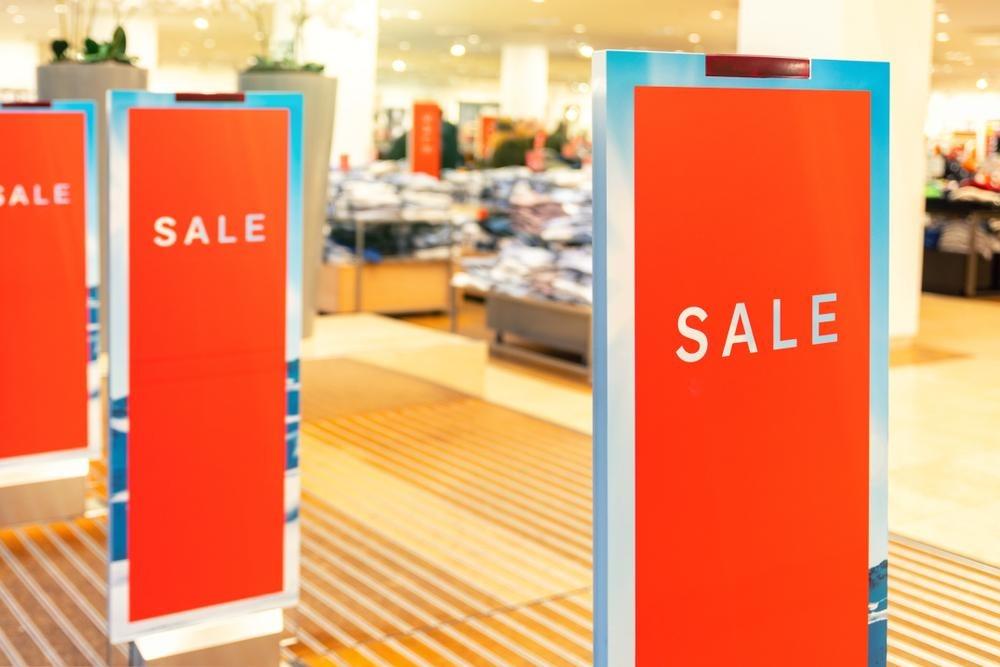
Early August is an especially good time to shop for deals. Some retailers are running Back-to-School promotions, while others are clearing out summer inventory to make room for fall collections. Knowing a few simple shopping strategies can help you find real bargains instead of products that simply have a bright "Sale" sign attached to them.

Why the Best Discounts Happen at the End of a Season
Most retailers follow a predictable merchandising cycle. New collections arrive well before the season begins, and stores need to clear out older inventory before new products take over the shelves. That's why the deepest discounts usually appear toward the end of a season rather than at the beginning.
For example, summer clothing often starts going on sale in late July. By August, prices may drop even further, especially on swimsuits, sandals, vacation apparel, and barbecue essentials. The same pattern repeats throughout the year. Winter clothing is heavily discounted near the end of winter, while holiday decorations typically go on sale immediately after the holidays.
What to Buy in Early August
Early August marks the peak of the Back-to-School shopping season. Although it's primarily aimed at students, anyone can take advantage of these savings.
This is often a great time to find deals on laptops, tablets, printers, headphones, and other electronics. Many retailers also discount desks, office chairs, and furniture designed for home offices or study spaces.
Backpacks, school supplies, children's clothing, and athletic shoes also become much more affordable. Even if you don't have school-aged children, this can be an excellent opportunity to upgrade your home office or purchase electronics at lower prices.
Toward the end of August, even more retailers begin their final summer clearance events. That's when you'll often find excellent prices on patio furniture, grills, outdoor décor, beach gear, and seasonal clothing.
Plan Major Purchases Around the Retail Calendar
Certain types of products tend to go on sale during predictable times of the year.
Right after the holidays, winter clothing, holiday decorations, and gift items are often deeply discounted. Spring frequently brings promotions on household appliances, vacuum cleaners, and cleaning supplies. Leading up to Memorial Day, many retailers offer excellent deals on mattresses, furniture, and major appliances. By late summer, seasonal merchandise reaches some of its lowest prices, while November brings Black Friday and Cyber Monday, when discounts extend across nearly every product category – from electronics to home appliances.
If your purchase isn't urgent, simply waiting for the right sales season can sometimes save you dozens or even hundreds of dollars.
How to Tell If a Discount Is Actually a Good Deal
A large percentage off doesn't always mean you're getting the best price. Sometimes retailers compare the sale price to the manufacturer's suggested retail price (MSRP) rather than the price they've recently been charging. As a result, you may see an attractive "50% OFF" label even though competing retailers are selling the same item for nearly the same price without a sale.
Before making an expensive purchase, spend a few minutes comparing prices at several major retailers. This is especially important for electronics, appliances, furniture, and home goods, where price differences can easily reach dozens or even hundreds of dollars.
It's also worth checking an item's price history. Several websites and browser extensions allow you to see how much a product has cost over the past few months. This can help you determine whether you're looking at a genuine bargain or simply clever marketing designed to make the discount appear larger than it really is.
Major seasonal sales such as Black Friday deserve special attention as well. While they certainly offer some outstanding deals, not every product reaches its lowest price of the year during these events. A little research and price comparison beforehand can often lead to even better savings.
Don't Buy After the First Price Drop
A "30% OFF" sign doesn't always represent the best possible deal. Many retailers reduce prices in several stages. An item may first be discounted by 20% to 30%, receive another markdown a few weeks later, and eventually reach discounts of 70% to 90% near the end of the season.
However, waiting isn't always the best strategy. If you're shopping for a popular electronics model, a hard-to-find clothing size, or another high-demand item, waiting too long may mean it's no longer available. The key is finding the right balance between maximizing your savings and avoiding the risk of missing out.
Look for Clearance Items
Most retailers have dedicated Clearance sections or racks. These aren't regular sale items – they're typically discontinued merchandise, leftover seasonal inventory, or products the store wants to move quickly to free up shelf space.
These sections often offer the deepest discounts. At the same time, be sure to inspect the item carefully and review the return policy, since some Clearance purchases may be final sale and not eligible for returns or exchanges.
Other Smart Shopping Tips
Even experienced shoppers sometimes spend more than necessary simply because they aren't familiar with a few common retail practices. Paying attention to small details can often help you find even better deals.
Just because an item is displayed on an endcap or featured promotional display doesn't necessarily mean it's discounted. These locations are designed to attract attention, but prices may be exactly the same as elsewhere in the store. Always check the price tag instead of assuming the display indicates a sale.
It's also worth comparing prices in the retailer's mobile app. Some stores offer lower online prices than in-store prices. In some cases, placing a Buy Online, Pick Up In Store (BOPIS) order through the app can cost less than purchasing the exact same item from the shelf.
If you're shopping online and aren't in a hurry, consider leaving an item in your cart for a day or two. Some retailers send follow-up coupons or promotional codes to encourage customers to complete their purchase. This doesn't happen every time, but when it does, it can result in extra savings with almost no effort.
When buying electronics, look for products labeled Open Box. These are items that have been returned by customers or used as display models. If they've been inspected, certified by the retailer, and still include a warranty, they can be an excellent way to save money. Open Box discounts can sometimes reach several hundred dollars, especially on TVs, laptops, and other expensive electronics.
Another useful habit is simply asking store associates questions. Sometimes they know when additional markdowns are coming or whether a particular category is scheduled for another price reduction in the next few days. They won't always be able to share that information, but it never hurts to ask.

Take Advantage of Loyalty Programs and Coupons
Nearly every major retail chain offers a loyalty program. After signing up, shoppers often receive personalized coupons, exclusive discounts, rewards points, or early access to major sales events.
Subscribing to a retailer's email newsletter can also pay off. New subscribers frequently receive a first-purchase discount, while existing customers often get personalized offers that aren't available to everyone else.
In some cases, simply signing into your account or activating a coupon before checkout can lower the price of the exact same item.
Check for Price Matching
Many major retailers offer Price Match programs. If you find the same item at a lower price from a qualifying competitor, the store may match that lower price.
The rules vary by retailer. Some only match prices from certain competitors, while others exclude Clearance items or special holiday promotions. Before making a large purchase, it's always worth checking whether Price Match is available.
Don't Forget About Cash Back
Many shoppers save even more by using cash-back websites or rewards credit cards. When you combine seasonal sales, coupons, loyalty rewards, and cash back, the total savings can be much greater than they first appear.
This becomes especially valuable when purchasing expensive electronics, furniture, or major appliances.
Always Check the Final Price
When shopping online, don't focus only on the listed price. Your final total may increase once sales tax, shipping charges, or other fees are added.
It's also worth checking whether your order qualifies for free shipping. Sometimes adding an inexpensive item to your cart allows you to meet the free shipping minimum, which can actually lower your overall cost.

The best seasonal deals aren't about luck – they're about planning ahead. When you understand retailers' sales cycles, take advantage of loyalty programs, shop Clearance sections, use coupons and cash back, and keep an eye on seasonal promotions, you can consistently buy what you need while spending significantly less.
If you're looking for clothing stores, shopping malls, outlet centers, electronics retailers, or other places to shop around Tampa Bay, use the search feature on our website.


ABOUT TampaBayTide
FOR BUSINESS