


Back-to-School Shopping: What You Actually Need After School Starts

The start of the school year can easily turn into an endless shopping list. A new backpack, notebooks, pens, clothes, shoes, a lunchbox, a water bottle, tech – and it can feel like your child needs to buy literally everything.
A smarter approach to back-to-school shopping is not to buy everything new ahead of time, but to purchase the basics before school starts and then make additional purchases after the first week, when you have a better idea of what your child actually needs for this particular school year. In many schools, the school year started last week or the week before, so some parents have already made it through the first stage of back-to-school shopping. Now you can see what your child is actually missing and what turned out to be unnecessary.

Start With What You Already Have at Home, Not the Store
Before shopping, take a few minutes to check the things your child already has. A backpack may still be perfectly good for the new school year, even if it isn't new. The same goes for a pencil case, water bottle, lunchbox, folders, scissors, ruler, and some of their school supplies.
This is especially relevant at the end of August. If school has already started, you have a chance to see which things your child actually uses every day. Maybe the old backpack turned out to be comfortable enough, while the large new water bottle you planned to buy doesn't even fit in the school bag.
This kind of audit can help you save money and avoid ending up with several nearly identical items at home.
Follow the School List, Not the Store Shelves
The school supply list is the best guide for shopping. Requirements can vary depending on the grade, school, and teacher, so a universal “everything for school” set doesn't always make sense.
Especially now, with the school year already underway at many schools, it's worth checking messages from the teacher. After the first few classes, there may be clarifications about specific notebooks, folders, art supplies, or other items.
You don't have to buy enough supplies for the entire year all at once. If your child needs three notebooks, there's not much benefit to buying ten. You can always get additional supplies later when there's an actual need.
A Backpack Should Be Comfortable, Not Just New
A new school year is often associated with a new backpack, but there's no need to buy one every year. If last year's backpack is in good condition, has enough room, is comfortable for your child, and meets the school's requirements, there's no reason not to keep using it.
If the backpack does need to be replaced, don't focus only on the design. Your child will carry it practically every day, so size, weight, comfortable straps, the number of compartments, and how easy it is to organize school supplies inside all matter.
It's especially useful to evaluate the backpack after school starts. If your child comes home every day with an overstuffed bag or can't find what they need inside it, the problem may not be the amount of school supplies, but the fact that the backpack doesn't really fit their current needs.
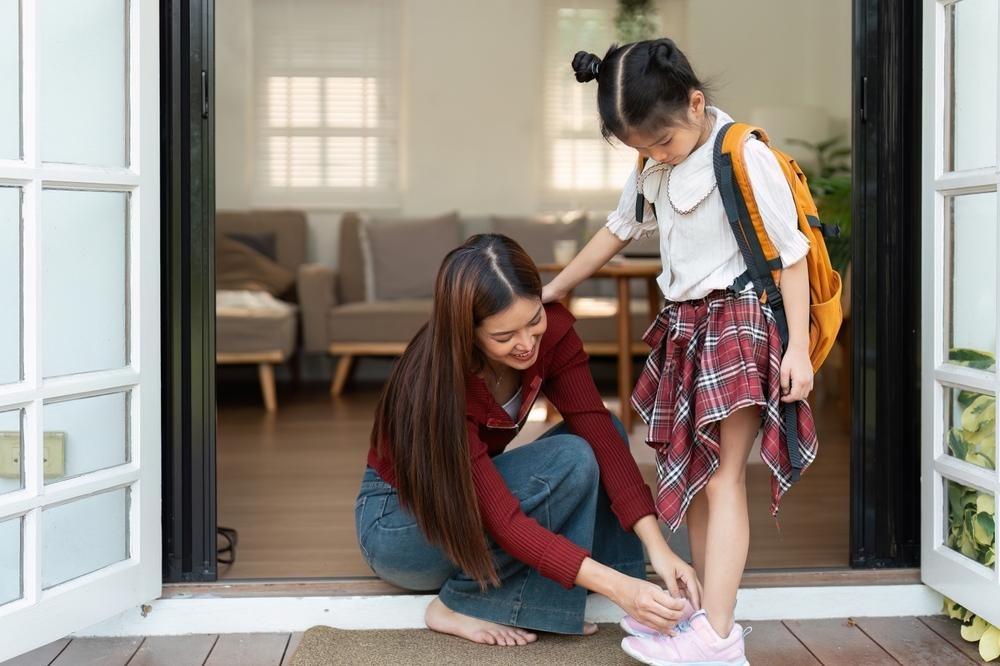
Clothes: You Don't Have to Replace the Whole Wardrobe
Back-to-school shopping doesn't mean your child needs a completely new wardrobe. Start by checking the clothes they already have and setting aside the things they will actually wear to school.
It's important to consider the local weather. August and early fall in Tampa Bay are still hot and humid, so lightweight, comfortable clothing can be much more practical than a large selection of clothes meant for cooler fall weather. At the same time, schools and other indoor spaces can have the air conditioning running pretty aggressively. So it's worth having a lightweight sweater or another extra layer that can easily fit in a backpack.
If your child is already in school, pay attention to what their actual school day looks like. You may find that you don't need to buy a “school wardrobe” at all, but just a few specific things.
Shoes Should Match the Reality of the School Day
The same principle applies to shoes. First, check whether the shoes your child already has still work.
Consider the size, condition, and how much walking your child does during the day. For PE, sports, or other activities, check whether a separate pair is required. There's no need to buy several pairs “just in case” if your child really needs one comfortable everyday pair and possibly a separate pair for sports.
If school has already started, the first few days may reveal a problem on their own. Your child may realize that their shoes rub, are difficult to take off and put on, or simply aren't suitable for the amount of activity they have during the day.

Lunchboxes and Water Bottles: Practicality Matters More Than Trends
A lunchbox and reusable water bottle may be used every day, so this is one area where investing in quality can make sense. But again, if last year's items still work, there's no need to replace them just because a new school year has started.
It's especially useful to consider how easy the bottle is to clean, whether it leaks, and whether your child can use it comfortably. The same goes for a lunchbox: size, leak resistance, and how easily your child can open it independently all matter.
The first few weeks of school are a good time to figure out whether the current items actually work. If your child regularly comes home with an untouched water bottle or half their lunch – or, on the other hand, complains that there wasn't enough – it may be worth changing not the food itself, but the way it's packed.
Don't Buy Tech Just Because It's in the Back-to-School Ads
Laptops, tablets, headphones, and other gadgets have long been part of back-to-school shopping. But that doesn't mean every child needs new electronics.
If the school or a specific teacher doesn't have requirements for a particular device, start by checking what you already have at home. An older laptop that works properly with the required programs may be perfectly adequate.
If new tech really is necessary, check the school's requirements before buying. The operating system, storage capacity, compatibility with required programs, and other technical specifications may matter much more than the brand or appearance of the device.
A major purchase is better driven by an actual need than by the feeling that “you need something new for school.”

Use the First Week as a Guide
For families whose children have already gone back to school, there's one big advantage right now: you don't have to guess everything in advance anymore.
After the first few days, you can already see what's working and what isn't. Is the backpack comfortable? Is there enough room for everything? Is an extra folder needed? Can your child use the lunchbox easily? Does their clothing work for their school schedule? These are the kinds of observations that should become a short list for the second round of shopping.
And if you want to check not just the supplies, but how your child is adjusting to the new school year overall, take a look at our article on the subject. The first week can tell you a lot about what your child may need to change or add to make school more comfortable.
Don't Confuse a Discount With Savings
Late August is a busy sale season, and stores know exactly how to convince parents to buy more. Bright price tags, “back-to-school” bundles, and “buy more, save more” offers can easily create the feeling that you can't afford to wait.
But a discount only saves you money if you were actually planning to buy the item in the first place.
Before buying, compare the price, check whether your child actually needs the item, and think about whether you'll use it in the coming months. The best way to save is simply not to put an unnecessary item in your cart.
We gathered more practical advice on how to shop seasonal sales without spending more than you planned in our article Beat the Heat (and the Prices): How to Shop Seasonal Sales.
Also this week, it's worth paying attention to the Florida Back-to-School Sales Tax Holiday, which runs through August 20. If you actually need items that qualify for the tax break, this can be a good time to buy them. But don't purchase things you don't need just to take advantage of the tax holiday.

Good back-to-school preparation doesn't necessarily mean having a long shopping list.
Before heading to the store, check three things: the school's requirements, what you already have at home, and what has changed since school started. If your child hasn't started school yet, buy what you need according to the official list and leave the rest for later. If the school year has already started, use the first few days as a practical test.
You may find that your child really does need new sneakers and a few notebooks, but doesn't need a new backpack, tablet, or ten sets of school supplies at all.
The goal of back-to-school shopping isn't to buy as much as possible. It's to make sure your child has everything they actually need for their real school day – without letting your budget take a hit from purchases they'll never use.


ABOUT TampaBayTide
FOR BUSINESS