


August Heat in Tampa Bay: How to Stay Cool, Hydrated, and Safe

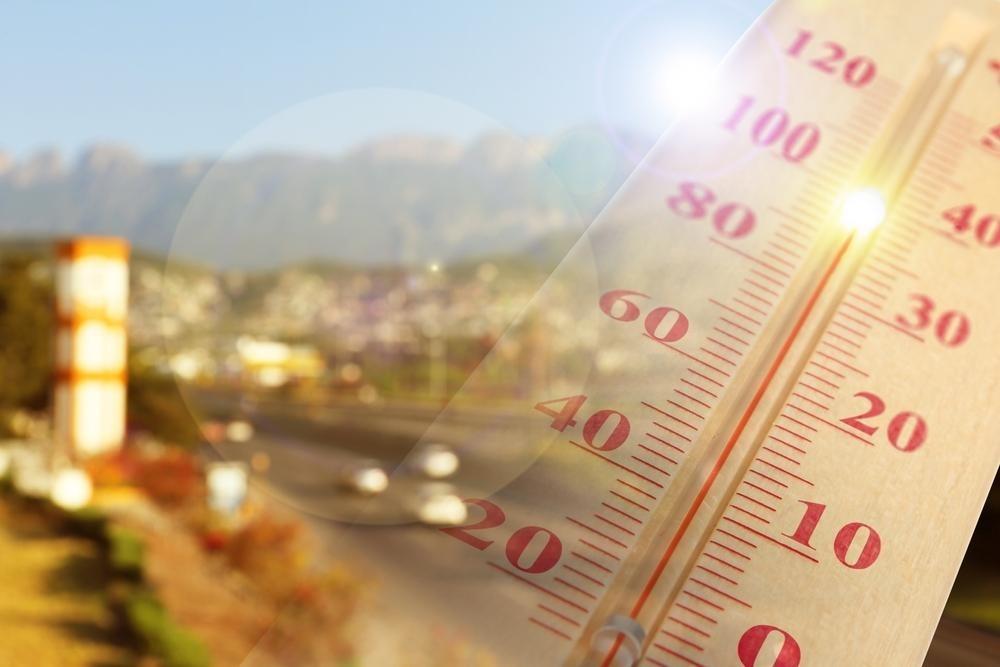
August in Tampa Bay is a time when the heat should not be underestimated. During this period, daytime temperatures regularly climb to 90°F and above, high humidity makes it harder for the body to cool itself naturally, and even the evening hours do not always bring noticeable relief. In early August 2026, the forecast for Tampa shows daytime highs around 93-96°F, while the heat index may exceed 100°F.
For Florida residents, this kind of weather may seem normal, but that familiarity can sometimes become a problem. The body continues to lose water and salts through sweat, while high humidity slows the evaporation of sweat and, consequently, the body's natural cooling process. The National Weather Service explains that the heat index is the temperature a person actually feels when humidity is taken into account. In Tampa Bay, the summer dew point can exceed 80°F, creating conditions for an especially high heat index.
That is why in August, it is important not simply to try to “tough out” the heat, but to adjust your usual daily routine and plan ahead for time spent outdoors.
Plan Your Day Around the Heat
In August, the simplest way to reduce the risk of overheating is to avoid spending extended periods outdoors during the hottest hours. If you need to go for a walk, exercise, do yard work, or take care of other outdoor activities, it is better to move them to the early morning or evening. This is especially relevant in Tampa Bay, where temperatures rise quickly after sunrise and high humidity adds to the heat during the day. The local National Weather Service recommends moving strenuous physical activity to the morning or evening and staying in air-conditioned spaces during dangerous heat.
However, evening in Florida does not always mean cool temperatures. Even after sunset, temperatures can remain high, so before going for a walk, check not only the air temperature but also the forecast heat index. If you plan to spend time outdoors in the morning or evening, it is also worth remembering mosquitoes – for more information on how to protect yourself from them in Florida, read our separate article.
In August, it is also important to consider the local weather pattern: in Tampa Bay, afternoon and evening thunderstorms often develop after a hot, sunny morning.
Pay Attention to the Heat Index, Not Just the Temperature
“It's 92°F outside” does not always mean that your body feels exactly 92°F. When the air is saturated with moisture, sweat evaporates more slowly, and the body loses one of its main cooling mechanisms. As a result, the temperature it feels like can be significantly higher than the thermometer reading.
The National Weather Service uses specific thresholds for heat warnings. A Heat Advisory is issued when the forecast heat index is 108-112°F, while an Excessive Heat Warning is issued when it is expected to reach 113°F or higher.
There is another important detail: the heat index is calculated for shaded conditions. Being in direct sunlight can make the heat feel approximately 15°F hotter. That is why in August, even a short walk across an open parking lot, working in the yard, or waiting for a bus without shade can be much harder on the body than the temperature reading alone suggests.
Drink Water Before You Feel Very Thirsty
In hot weather, the body loses a lot of fluid through sweating, so you should not wait until you become very thirsty. If you plan to spend time outdoors, especially during physical activity, start drinking water ahead of time and take small sips regularly.
During prolonged activity, when heavy sweating continues for several hours, the body loses not only water but also electrolytes. The CDC notes that electrolyte-containing drinks may be useful in these situations. At the same time, consuming too much fluid can also be dangerous, so do not try to drink as much water as possible in a short period of time.
Alcohol on a hot day is a poor way to “cool down.” It does not lower body temperature and instead contributes to dehydration: alcohol has a diuretic effect and causes the body to lose more fluid than usual. Combined with sweating in hot weather, this can quickly lead to a lack of water and electrolytes, increasing the risk of headaches, weakness, dizziness, and heat exhaustion. In addition, alcohol can create a false feeling of being cooler and reduce alertness, making it harder to notice the first signs of overheating. If you are heading to the beach, going out on a boat, taking a long walk, or working outdoors, it is better to save alcohol for later and focus on getting enough fluids.

Dress So Your Body Can Cool More Easily
Comfortable clothing is not just a matter of style, especially in August. Lightweight, loose-fitting clothing made from fabrics that allow air to circulate well, such as linen, cotton, and rayon, as well as modern “breathable” synthetic materials with moisture-wicking properties, can make hot weather easier to tolerate than heavy clothing that traps heat.
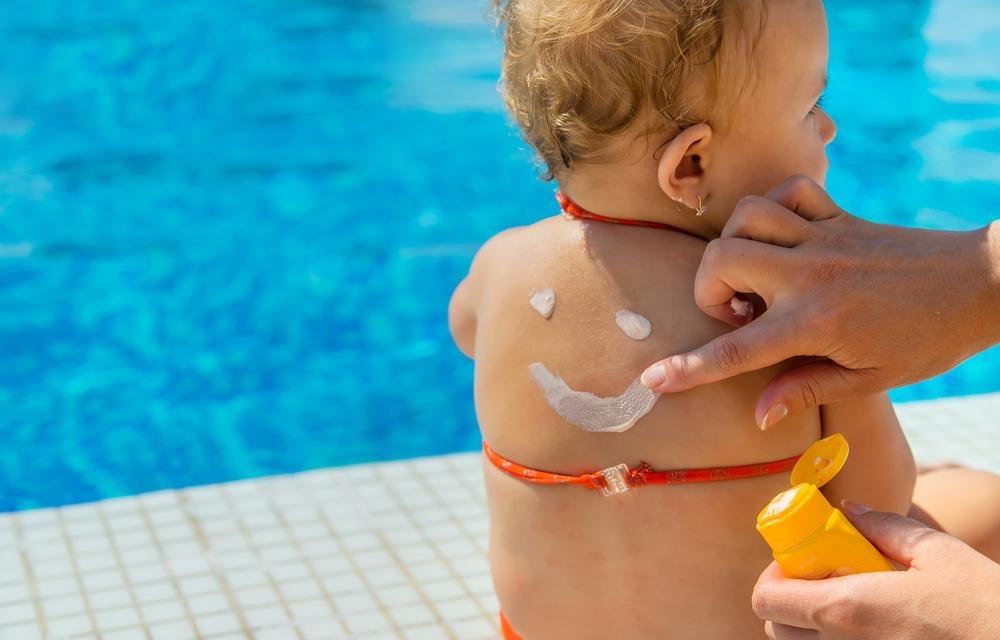
For extended time in the sun, it is also worth wearing a wide-brimmed hat, sunglasses, and sunscreen with SPF. The City of Tampa specifically emphasizes that sunburn can make it harder for the body to cool itself.
Do not forget about footwear, either. During walks on the beach or in parks, hot surfaces can be much more uncomfortable for your feet than they may seem, especially in the middle of the day, so choose lightweight, breathable shoes or sandals with secure straps.
Don't Try to Push Through the Heat During Exercise
Running, cycling, kayaking, hiking, and other activities are great ways to experience Tampa Bay, but in August they need to be planned more carefully. It is better to replace outdoor workouts with fitness centers or gyms that have air-conditioned spaces.
If you usually work out during the day, during the hottest weeks of summer it is better to move your workouts to early morning or evening, shorten the duration of your workout, and make sure you can quickly move to a cool place if needed. It is also important to always start any activity with a bottle of water on hand and not forget about electrolyte drinks, especially if the workout is long or intense – this helps restore the balance of fluids and salts that the body loses through sweat.
It is especially important not to ignore the first signals from your body. Dizziness, weakness, headache, nausea, unusually heavy sweating, or muscle cramps can be signs of overheating. The CDC recommends stopping physical activity and moving to a cool place if you feel weak or dizzy.
The Beach Does Not Protect You From the Heat
It is natural to want to spend a hot day near the water. But a beach, pool, or boat does not automatically protect you from overheating.
In an open area, a person is simultaneously exposed to intense sunlight, high temperatures, and fluid loss through sweating. Direct sunlight itself is a major cause of rapid and often unnoticed sunburn, which can occur even in cloudy weather or with a light breeze. Near the water, another problem can be a false sense of coolness caused by the wind, which may lead people to stay in the sun longer without adequate protection.
If you are heading to the beach, be sure to use a high-SPF sunscreen and reapply it regularly, wear protective clothing, a hat, and sunglasses, plan regular breaks in the shade or an air-conditioned space, drink water throughout the day, and avoid spending many consecutive hours in direct sunlight.
Use Air-Conditioned Spaces Without Feeling Guilty
Air conditioning in August is not just a matter of comfort. During periods of dangerous Florida heat, staying in an air-conditioned space is one of the most effective ways to reduce heat stress on the body.
If your home does not have air conditioning or it cannot keep up with the heat, the City of Tampa recommends using available air-conditioned public spaces, including libraries, shopping centers, and other facilities.
At home, close curtains or blinds on windows that receive direct sunlight and prevent rooms from heating up unnecessarily during the hottest hours. A fan can make a room more comfortable, but during extreme heat, it does not replace air conditioning or another cool environment.
Remember Your Car
A car can heat up to a dangerous temperature very quickly when left in the sun. Even if you only need to step away for a few minutes, do not leave children, older adults, or pets in a parked car.
The City of Tampa warns that the temperature inside a closed parked vehicle can be 40–50°F higher than the outside temperature, and leaving a window open does not make the situation safe. Even if the car is parked in the shade, conditions inside can quickly become dangerous.
How to Protect Your Pets From the Heat
Heat is dangerous not only for people. Dogs, cats, and other pets can also overheat, sometimes faster than their owners realize. Puppies and kittens, older animals, overweight pets, animals with thick coats or short snouts, as well as pets with certain medical conditions, require particular attention.
Move Walks to Cooler Hours. In August, long walks with a dog are best planned for early morning or evening, when the sun is not as strong. However, even after sunset, asphalt and sidewalks can remain hot for quite some time. Before a walk, check the surface temperature with the back of your hand. If it is too hot for you to keep your hand on the asphalt for several seconds, the surface may also be dangerous for a dog's paws. On hot days or even during evening walks when the asphalt has not yet fully cooled, it is also worth considering additional protective measures – special pet walking shoes or paw-cooling creams that can help reduce the risk of overheating and burns. During particularly hot days, it is better to shorten the walk and save active play for a cooler time.
For cats that live exclusively indoors, the problem is usually not hot asphalt but the temperature inside the home. Make sure the animal has access to a cool room, fresh water, and a place away from direct sunlight.
Create a Cool Place at Home. Your pet does not have to lie directly under the air conditioner. What matters more is that they can move to a cooler place on their own when needed.
Cooling mats for pets can be useful in summer. They provide a cool surface for resting without forcing the animal to lie on it. You can also use cooling beds, ceramic or stone surfaces that stay cool longer, and well-ventilated areas of the home.
If you have a fan, you can use it to improve air circulation, but it should not be the only method of cooling during extreme heat. At very high temperatures, an air-conditioned environment remains the most reliable option.
Never completely cover an animal with a wet towel. A wet fabric can trap heat instead of helping it escape. If the animal needs additional cooling, it is better to lightly wet them with cool, but not ice-cold, water or use a specialized cooling product for pets.
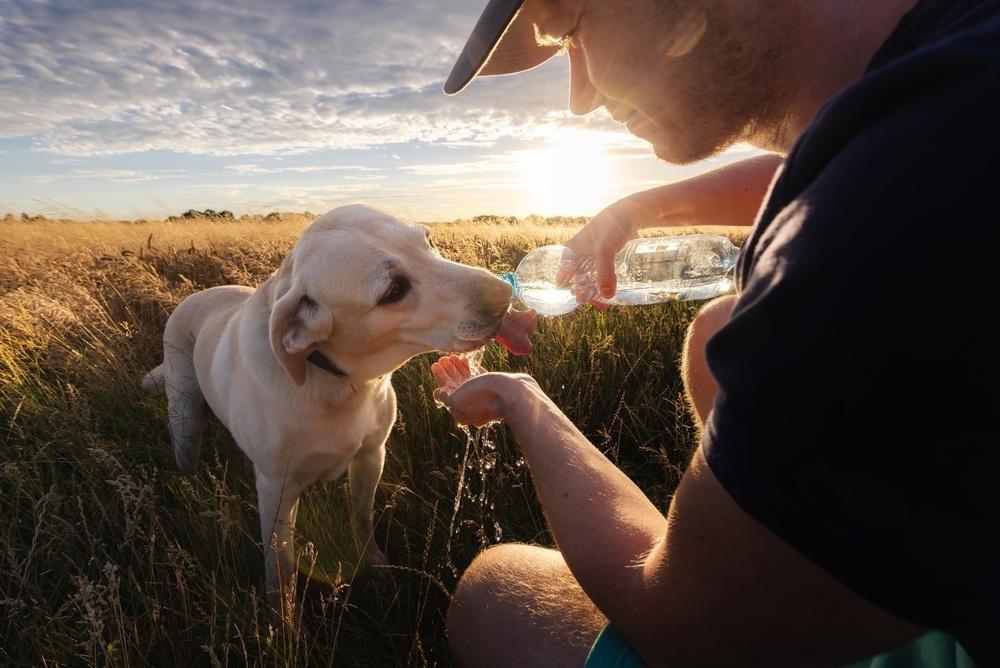
Provide Plenty of Water. In hot weather, fresh water should be available to your pet at all times. Veterinarians recommend increasing the number of water bowls during the summer and placing them in different rooms.
If you are taking your dog for a walk, bring a portable bowl and enough water. Outdoors, it is better to offer water regularly rather than wait until the animal actively starts looking for it or begins breathing heavily. At home, you can place several bowls in different rooms, especially if you have a large home.
During long walks or trips, bring enough water not only for yourself but also for your pet. This is especially important when traveling to beaches, parks, natural areas, and other places where drinking water may not be readily available.
Do Not Leave Your Pet in the Car. Even if the air conditioning was running before you arrived or the car is parked in the shade, you should never leave an animal inside a closed vehicle. The interior can heat up to a dangerous temperature very quickly, and the situation can become critical even during a short stop.
In August, it is better to plan trips so that your pet either stays home in a cool environment or can stay with you in a place where pets are allowed.
How to Tell if Your Pet Is Overheating. The first signs of overheating in a dog may include heavy or unusually rapid breathing, excessive drooling, restlessness, weakness, an unsteady gait, reluctance to move, or searching for a cool place. As the condition worsens, vomiting, diarrhea, confusion, loss of coordination, seizures, or loss of consciousness may occur.
In cats, signs of overheating may be less obvious. They can include rapid breathing or open-mouth breathing, heavy drooling, restlessness, weakness, vomiting, loss of coordination, or collapse. Open-mouth breathing is not normal behavior for a cat and requires particular attention.
If you suspect heatstroke, the animal must be moved to a cool place immediately and you should contact a veterinarian or emergency veterinary service. Do not wait for the condition to improve on its own.
While you arrange veterinary care, you can begin gradually cooling the animal with cool water and provide air circulation*. Do not use ice-cold water or ice directly on the body*, as rapid cooling can cause blood vessels to constrict and make it harder for heat to leave the body.
It is better to be safe: shortening a daytime walk, saving active play for the morning or evening, setting up a cooling mat at home, and constantly monitoring access to water are much easier than treating the consequences of heatstroke.
Know the Symptoms of Heat Exhaustion
Overheating does not always begin dramatically. At first, a person may simply feel tired, very thirsty, or have a headache, and then the condition may gradually worsen.
The CDC lists headache, nausea, dizziness, weakness, heavy sweating, thirst, and decreased urination among the symptoms of heat exhaustion.
If these symptoms appear, stop physical activity, move to a cool or air-conditioned place, begin cooling the body, and drink fluids if the person can safely drink.
The most dangerous condition is heatstroke. Confusion or loss of consciousness, seizures, or a sudden change in behavior may indicate heatstroke. Heatstroke is a medical emergency that requires immediate medical attention – do not wait for the symptoms to go away on their own; seek medical help immediately.
Who Needs Extra Attention
The City of Tampa's Heat Resilience program specifically notes that exposure to extreme heat is greater for certain groups, including older adults, children, and workers who spend a lot of time outdoors.
In August, it is helpful to regularly check on relatives, neighbors, or acquaintances who may be particularly sensitive to high temperatures. This is especially important during prolonged periods of heat, when the body does not have enough time to fully recover even at night.
Work With the Weather, Not Against It
Florida summer does not necessarily mean that you need to completely give up walks, beach days, exercise, or other activities. But in August, it is worth changing your approach: move physical activity to cooler hours, monitor the heat index, drink water regularly, protect your skin from the sun, and plan breaks in air-conditioned or shaded places.
For Tampa Bay residents, this is especially relevant right now, at the beginning of August, when daytime temperatures remain around 90°F and above, and the combination of heat and humidity can create a heat index above 100°F.
The best strategy is not to wait until the heat begins to seriously affect how you feel. Check the forecast before leaving home, look at the heat index, bring water with you, and decide in advance where you can cool down. This will make even the hottest August days in Tampa Bay much easier to get through without unnecessary risk.


ABOUT TampaBayTide
FOR BUSINESS