


A Trip to the Florida That’s Disappearing

Located about 2,5 to 3 hours from the Tampa Bay area, Cedar Key feels nothing like Florida’s typical beach destinations. People don’t come here for sprawling white-sand beaches or a lively nightlife scene – they come for the charm of Old Florida, fresh seafood, untouched nature, and a slower pace that feels like stepping back in time.
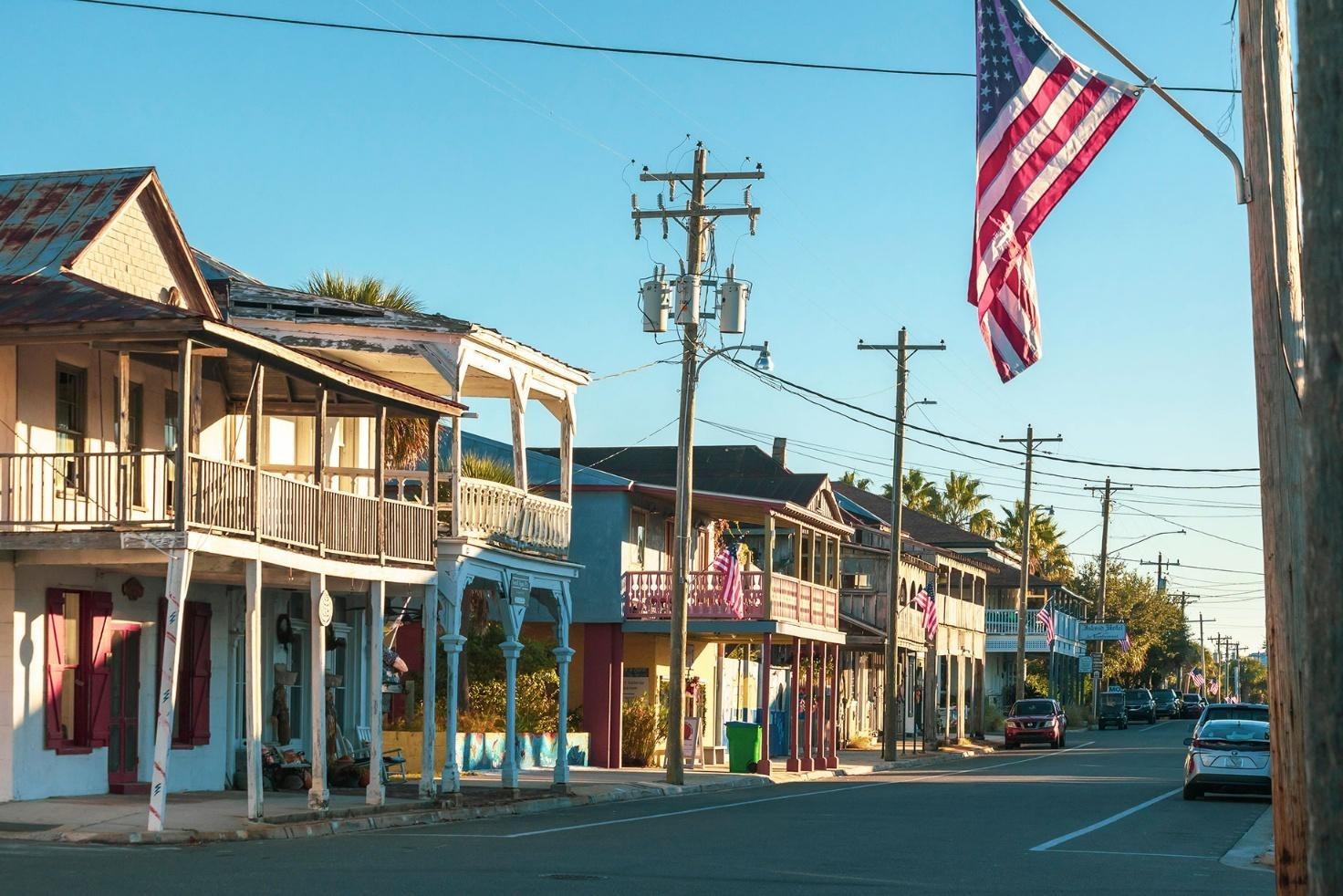
Despite its name, Cedar Key is not part of the famous Florida Keys. Instead, it’s a small island community along Florida’s Nature Coast, about 130 miles north of Tampa Bay.
The town sits on Way Key, connected to the mainland by a scenic drive that crosses salt marshes, winding channels, and several small bridges. Even the journey there signals that you’re leaving the fast pace of everyday life behind.

People have lived on these islands for thousands of years. Archaeologists have uncovered artifacts dating back to around 500 BC, and nearby Shell Mound preserves one of the region’s ancient Native American shell mounds.
During the 19th century, Cedar Key became an important transportation hub for Florida. The Florida Railroad ended here, while the area's abundant cedar forests supplied wood to pencil factories across the country.
After new railroad routes bypassed the town and the devastating hurricane of 1896 struck, Cedar Key gradually lost much of its economic importance. As a result, it escaped the large-scale development that transformed many of Florida’s coastal communities.
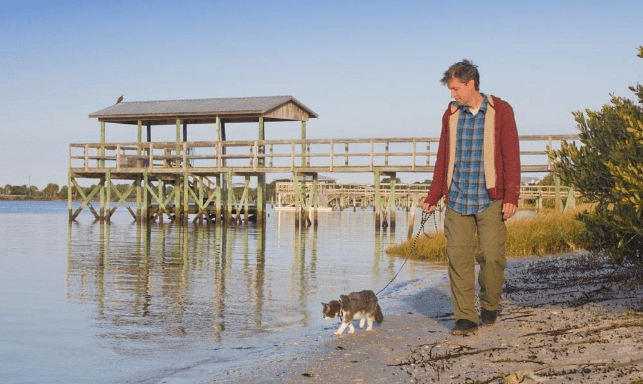
The best way to experience Cedar Key is simply by wandering around.
Downtown is filled with historic buildings, locally owned gift shops, art galleries, and family-run restaurants. Chain businesses are rare here, replaced by cozy coffee shops, working artist studios, and seafood restaurants serving the day’s fresh catch.
Many visitors say the biggest attraction in Cedar Key is slowing down. Sit on the pier, watch pelicans glide over the water, enjoy a cup of coffee with a waterfront view, or simply take in one of the Gulf Coast’s beautiful sunsets. It’s this relaxed atmosphere that keeps people coming back year after year.
If you're looking for wide, powdery beaches like Clearwater Beach or Siesta Key, Cedar Key may not be the right destination.
The beaches here are small and, in some places, rocky. Most visitors aren’t coming to swim—they come for peaceful walks, fishing, kayaking, birdwatching, and quiet weekends far from Florida’s crowded resort towns.
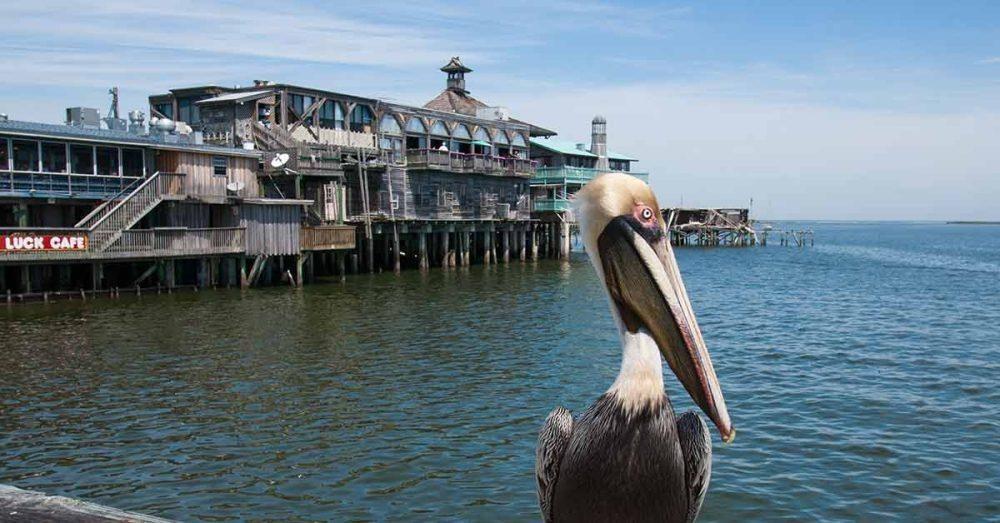
Surrounding Cedar Key are numerous barrier islands that make up the Cedar Keys National Wildlife Refuge. Visitors can paddle through mangrove-lined waters, take boat tours, explore nature trails and historic sites, or watch birds and marine wildlife in their natural habitat. Thanks to its relatively small number of visitors, the landscape remains far less developed than many of Florida’s better-known coastal destinations.

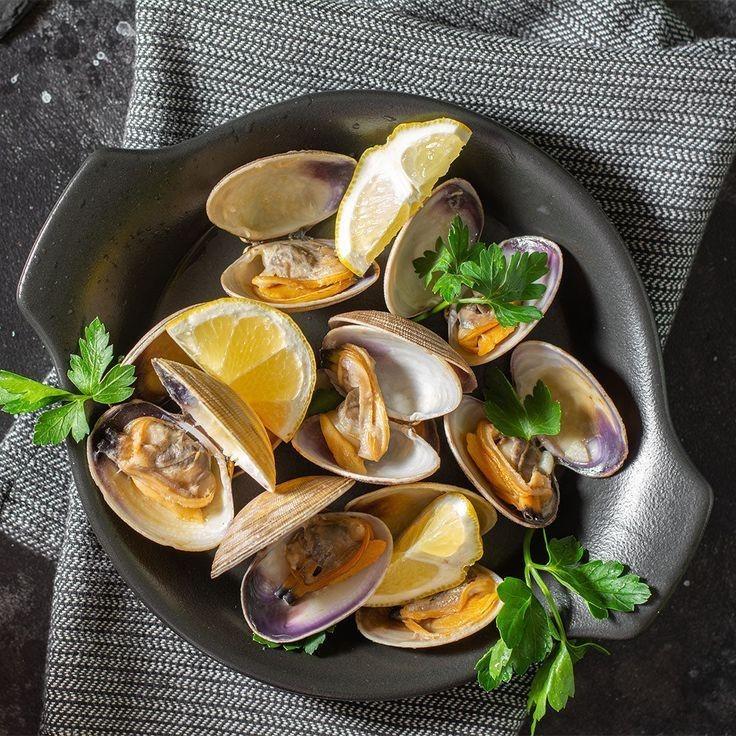
Few people realize that Cedar Key is also one of America's leading aquaculture communities. A significant share of Florida’s farm-raised clams are grown here before making their way to restaurants across the state. Alongside tourism, shellfish farming remains one of the town’s most important industries.
So if you love seafood, it’s hard to find it any fresher – often going straight from the boat to your plate.
Cedar Key is a reminder of what Florida looked like before sprawling resorts reshaped much of its coastline. With its laid-back fishing village atmosphere, it remains one of the Gulf Coast’s most charming hidden gems.


ABOUT TampaBayTide
FOR BUSINESS