


A Pet Owner's Guide to Choosing the Right Rental Home


Finding a new place to live always takes time, but if you have a pet, the process becomes even more challenging. Even if a listing says an apartment or house is pet-friendly, that doesn't necessarily mean every type of pet is welcome or that the home will be comfortable for both you and your four-legged companion.
To avoid unpleasant surprises after you move in, it's important to look beyond the rent price and location. Pay close attention to the property's pet policies, the home's features, and the neighborhood itself.
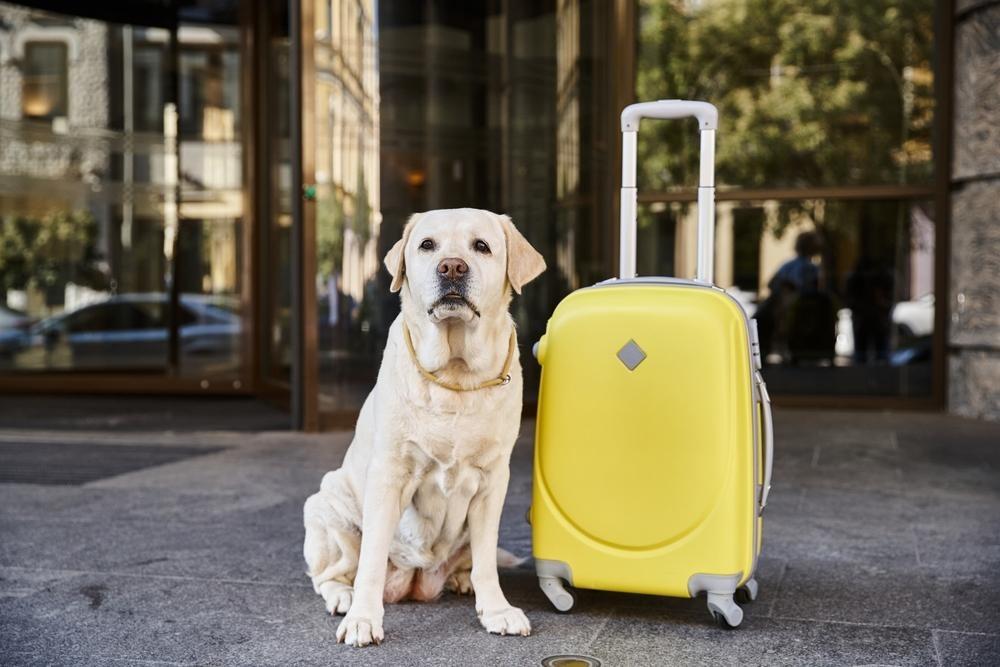
Don't Rely on the "Pet-Friendly" Label Alone
Many people assume that a "pet-friendly" label means there are no restrictions. In reality, every apartment community and property owner sets their own rules. Some landlords allow only one pet, while others permit two or even more. One property may welcome only cats, another may allow dogs up to 25 pounds, while others have breed restrictions. In many cases, the rules apply not only to the number of pets but also to their combined weight. For example, a community may allow two dogs only if their total weight stays below a specific limit.
Many apartment communities also have breed restrictions that apply to certain dog breeds. These restrictions are often based on insurance company policies regarding breeds considered to present a higher liability risk. Weight limits may also apply. For example, a community may allow only dogs weighing up to 40 or 50 pounds, regardless of breed. In some cases, management considers not only the breed listed on your dog's paperwork but also whether the dog resembles a restricted breed.
That's why it's a good idea to ask about all pet-related policies before scheduling a property tour. Doing so can save you time by eliminating homes that won't meet your needs.
Ask About All Additional Pet Costs
Living with a pet almost always comes with additional expenses, and those costs can vary significantly from one property to another.
Some landlords charge a one-time, non-refundable pet fee. Others require a pet deposit, which may be refunded at the end of your lease if there is no damage to the property. Many communities also charge monthly pet rent in addition to your regular rent payment.
Before signing a lease, calculate the total cost of living there instead of focusing only on the advertised rent.
Read the Lease Carefully
A pet-friendly listing doesn't necessarily mean the lease offers flexible pet policies. The most important rules are usually found in the lease agreement itself or in a separate Pet Addendum. This document outlines the rights and responsibilities of pet owners, so it's just as important to read as the lease.
Pay close attention to what the property considers a lease violation. For example, in some apartment communities, two or three documented complaints from neighbors about a barking dog may be enough for management to require that the issue be resolved – or even that the pet be removed from the property. Other leases may specify quiet hours or limit how long a pet can be left home alone.
You should also check whether you're responsible for damage to common areas. If your dog scratches the elevator doors, damages the lawn, or leaves scratches in shared hallways, you could be responsible for paying for the repairs.
Another important section covers insurance requirements. Some landlords and apartment communities require tenants to carry renters insurance with liability coverage for pet-related incidents. This is especially common for households with large dogs. If insurance is required, ask about the minimum coverage amount before signing the lease.
Also review the move-out requirements. The lease may require professional carpet cleaning, additional sanitation, or allow management to withhold part of your deposit regardless of whether any damage occurred. These expenses can easily add up to several hundred dollars and often catch tenants by surprise when they move out.
The more carefully you review the lease before signing, the less likely you'll be to face unexpected conflicts or expenses after you move in.

Evaluate the Home Itself
Your pet's comfort depends on much more than just the size of the apartment.
For one or two cats, even a smaller apartment can be perfectly comfortable if there's enough vertical space, such as cat trees, scratching posts, shelves, or window perches. On the other hand, a large or highly active dog probably won't thrive in a small studio apartment, especially if you work away from home and can't provide several long walks every day.
If you have multiple pets, make sure there's enough room for separate beds, food and water bowls, litter boxes, and resting areas. For example, feline behavior experts recommend having one litter box per cat, plus one extra. If the apartment isn't large enough to accommodate these areas comfortably, it may be worth looking for a larger home.
If you have a senior pet, pay attention to the number of stairs, slippery flooring, and high thresholds. Puppies and kittens, on the other hand, need a safe environment without exposed electrical cords, small objects they could swallow, or other potential hazards.
It's also worth considering the type of flooring. Carpet tends to trap pet hair and odors and is much harder to clean after accidents. Tile, vinyl, and laminate flooring are generally much more practical for pet owners. However, older dogs may need rugs or non-slip runners to help them navigate slick surfaces safely.
Be sure to check the condition of windows, doors, window screens, and gates if the property has a yard. Even a small gap or a faulty latch can become an escape route for a curious cat or a small dog.
The balcony deserves special attention as well. If you have a cat or a small dog, inspect the railing carefully. If there are wide openings or anything that raises concerns about safety, ask the landlord before signing the lease whether you're allowed to install a protective pet screen. Many landlords are willing to approve this as long as it doesn't damage the property and is removed before you move out. Getting permission ahead of time is much easier than trying to arrange it after you've already moved in.
Consider the Neighborhood
Even the perfect apartment may not be the right fit if there aren't good places nearby to walk your pet. Look beyond the closest park and think about places where you can spend quality time together. Throughout the Tampa Bay area, you'll find popular dog parks and dog-friendly beaches, including Fort De Soto Dog Beach and Davis Islands Dog Beach. If you visit these places regularly, consider how long it will take to get there from your new home. Even an extra 20 to 30 minutes can make a big difference in how often you'll actually go.
Your everyday walking routes are just as important. Check whether the neighborhood has sidewalks, plenty of shade, places to sit and rest, and pet waste stations with bags. A pleasant walking route can be just as valuable as having a larger apartment.
It's also helpful to see whether there are veterinary clinics, 24-hour emergency animal hospitals, groomers, and pet supply stores nearby. In an emergency, having veterinary care close to home can make all the difference.
You should also pay attention to traffic. If your front door opens directly onto a busy road, daily walks may be less comfortable and less safe for both you and your pet.

Ask About the Property's History
When touring a property, don't hesitate to ask the landlord or property manager questions.
It's worth finding out whether pets have lived there before, whether the unit is professionally cleaned between tenants, and whether it has ever been treated for fleas or other parasites.
If your pet has allergies or is especially sensitive, this information can be particularly important.
Prepare Your Pet's Documents
At many pet-friendly apartment communities, simply letting the landlord know you have a pet isn't enough. Before you move in, the property manager or landlord may ask you to provide documentation showing that your pet is healthy and meets the community's requirements.
The most commonly requested documents are up-to-date vaccination records, especially proof of a current rabies vaccination. If you have a dog, you may also be asked to provide a dog license if one is required in your city or county. While this isn't mandatory everywhere, some Florida municipalities require all dogs to be licensed with the local government.
Some apartment communities may also ask for proof that your pet has been spayed or neutered. While this isn't a universal requirement, certain communities give preference to spayed or neutered pets or even offer lower pet deposits or reduced monthly pet rent for their owners.
You may also be asked to provide a veterinarian's health certificate or proof that your pet receives regular preventive treatment for fleas, ticks, and heartworm. In Florida's warm climate, these requirements are taken especially seriously because parasites remain active throughout most of the year. To learn more about why heartworm prevention is so important for pets, read our dedicated article.
If your dog or cat is microchipped, it's also a good idea to have your pet's microchip information readily available. While it's rarely required as part of the application process, a microchip is often viewed as a sign of responsible pet ownership and can be invaluable if your pet gets lost after you move.
Having all of your pet's paperwork organized ahead of time can help prevent delays and leave a positive impression on the landlord. For larger apartment communities, this is a standard part of the application process, so it's best to be prepared before you submit your rental application.
Be Honest About Your Pet
Some tenants choose not to tell the landlord about their pet in an attempt to avoid additional fees or restrictions. However, this can lead to serious consequences if the lease violation is discovered after you move in.
It's much safer to be upfront about your pet from the beginning, provide any required documentation, and discuss all pet-related policies before signing the lease. Open communication helps prevent misunderstandings and makes the rental experience much smoother for both you and your landlord.

A pet-friendly home is more than just a place where pets are allowed. It's a home where both you and your pet can live comfortably and safely. The more carefully you review the property's rules, lease terms, home features, and neighborhood before signing a lease, the less likely you'll be to face unexpected costs or restrictions after moving in. Finding the right rental on your own can be challenging, especially when you need to consider pet-related requirements, so working with a local real estate agent can make the search much easier.
Choosing the right home will help both you and your pet adjust more quickly and feel at home from day one.


ABOUT TampaBayTide
FOR BUSINESS