


Are Black Friday Deals Really Worth It? What to Check Before You Buy


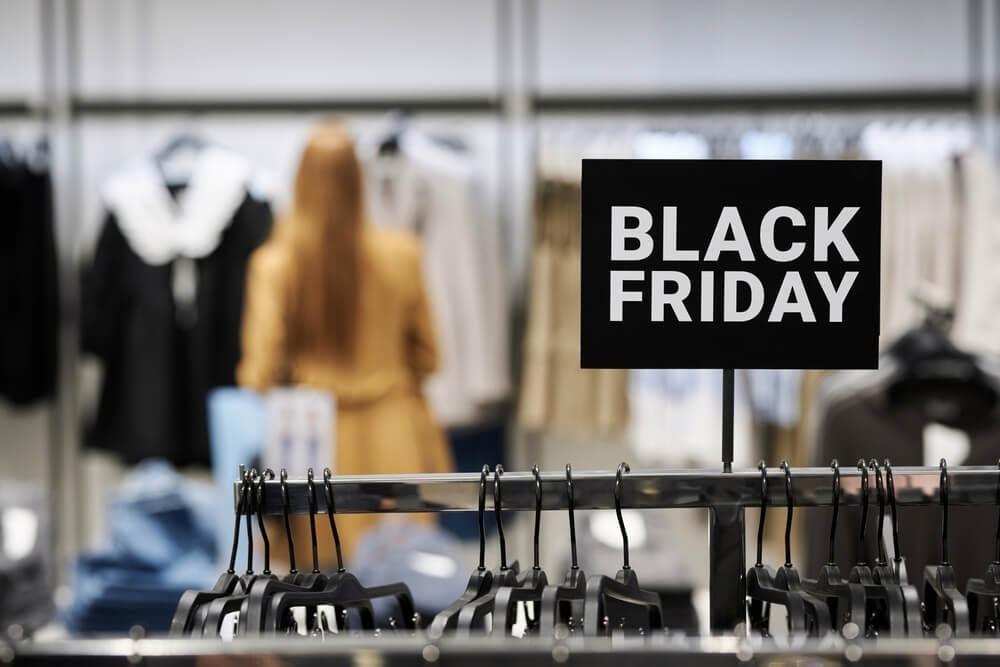
Black Friday has long since evolved beyond a single day when stores open early and shoppers line up for TVs and appliances. The sale season now stretches over several weeks, and many deals are available well before the official Black Friday date, which falls on November 27 this year. But a flood of promotional banners, promises of up to 70% off, and notices about limited stock don't always mean shoppers are getting a genuinely good deal.
If you're planning to buy electronics, gifts, home goods, or something you've been putting off for a while, Black Friday can be a good opportunity. However, taking a few minutes to check things before placing an order can sometimes save you more than an impressive promotional percentage. Here's what to look for to make sense of this season's deals and avoid letting a sale dictate your decisions.

Black Friday Deals Don't Always Start on Friday
Black Friday is no longer limited to the Friday after Thanksgiving. Major retailers often launch early promotions several weeks before the main date, gradually change their offers, and extend sales through Cyber Monday or even longer. Because of this, shoppers don't necessarily have to wait until Friday morning to find an interesting deal.
Black Friday sales don't follow a single pattern, and different stores use their own promotional strategies. Some offer discounts on certain product categories throughout the entire sale period, gradually increasing them as Friday approaches. Others launch new deals every day: today, it might be a discount on products when you buy several items, tomorrow, a buy-one-get-one deal or a fixed-dollar discount on purchases above a certain amount, and the next day, reduced prices on another category. Some stores use tiered discounts, with the discount amount depending on how many items you purchase, while others set the same sale prices for selected products and keep them unchanged until the sale ends. There are also retailers that save their best deals specifically for Black Friday.
This variety means that it's not always worth buying something on the first day of a sale, but waiting until Friday can also be risky. If a store changes its promotions daily, the next deal may be better for your shopping list, but popular items, certain colors, models, or sizes may sell out sooner. At the same time, a promotion that applies only to selected products doesn't necessarily cover the entire assortment, even if the advertising makes it seem that way. These details are worth keeping in mind not only during Black Friday but also during other seasonal sales, when promotional strategies and deal terms can vary significantly. Read more about navigating seasonal discounts and avoiding unnecessary spending in our article “Beat the Heat (and the Prices): How to Shop Seasonal Sales.”
Before making a purchase, find out how the sale works at a particular retailer, which products are included, whether the offers will change throughout the week, and whether it's worth waiting for the next round of promotions. This will help you make decisions based not only on the advertised discount percentage but also on how important a particular item is to you and whether you're willing to risk it becoming unavailable.
Check the Price, Not Just the Discount
A “50% OFF” sign looks convincing, but on its own, it tells you nothing about how good the deal actually is. When evaluating an offer, the item's actual price matters more than the percentage shown on the promotional banner.
Before buying, try to find the price of the same item at other stores. Even if one retailer advertises a 40% discount, another may offer the same product without a special promotion but at a lower price. Compare not just the name and photo but also the exact model, specifications, included accessories, and shipping terms.
This is especially important when shopping for electronics. TVs, laptops, headphones, smartphones, and household appliances may have similar names but differ in specifications, generation, storage capacity, features, or included accessories. Sometimes, retailers sell versions specifically for major sales that don't quite match the popular models shoppers are comparing them with.
If you're unsure whether a discount is genuine, checking the item's price history can help you determine whether the current offer is unusually low or whether the price regularly fluctuates. Some online services and browser tools allow you to track price changes, particularly on Amazon and other major shopping platforms.
Watch for Deals That Come With Conditions
Not all discounts are straightforward. Sometimes, the advertised price is available only if you sign up for a store credit card, subscribe to a paid service, purchase a bundle, or use a special promo code. These offers can be worthwhile, but before buying, it's important to understand exactly what you need to do to get the advertised price.
For example, an additional discount after signing up for a store credit card may look attractive, especially if you're buying an expensive item. However, it's important to check the interest rate, card usage rules, potential fees, and repayment terms. If you don't plan to use the card regularly and aren't sure you'll be able to pay off the balance on time, a one-time discount may not be worth the additional financial obligations.
Another example is bundle deals. A store may advertise an extremely low price on an item if you purchase several additional products. If you don't need those extra items, the total cost may be less worthwhile than buying the item you actually want from another store.
It's also worth paying attention to discounts that are available only after activating a coupon, signing into an account, subscribing, or meeting other conditions. Check the final total in your cart before paying, because that's the amount that determines what you'll actually spend, not the advertised price.
Read the Return Policy Before You Buy
During Black Friday, shoppers often focus on how much they can save and put off checking return policies until later. But during major sale seasons, return rules may vary depending on the store, product category, or specific promotion.
Before completing a purchase, check whether you can return the item if it doesn't fit, doesn't meet your expectations, or turns out to be defective. Pay attention to the return window, whether you need to keep the original packaging, any restocking fees, and who pays for return shipping.
For online purchases, it's also important to check whether you can return an item to a physical store or whether you need to arrange the return through a shipping carrier. If you're buying furniture, a mattress, a large appliance, or other bulky items, delivery and return costs can significantly affect how worthwhile the deal actually is.
It's equally important to check the warranty. Some products come with limited warranties, while certain deals may include refurbished, open-box, or clearance items with special terms. If the item is expensive, make sure you understand what repair, replacement, or return options you'll have after the purchase.
Don't Let Black Friday Make You Buy Something You Don't Need Yet
Black Friday creates the feeling that you need to buy as much as possible right now before prices return to normal. But not every purchase that looks like a good deal is necessary, and not every item needs to be bought this week.
If you've been planning to buy a new laptop, replace your refrigerator, purchase a gift, or update your home, a sale can help you do so at a lower price. But if an item only made it onto your shopping list after you saw an ad, it's worth taking a moment to consider whether you actually need it.
Pay attention not only to the price but also to how often you'll use the item, whether it meets your needs, and whether you'll have to spend additional money on accessories, maintenance, or other components. Even a substantial discount doesn't make an item a good deal if it ends up sitting unused.
If you're planning to buy several things, divide your budget among them. This can help you avoid a situation where your first few purchases take up most of your money and you realize toward the end of the sale that you've spent more than you intended. If you're planning not only to shop online but also to visit several stores, it's worth planning where you'll go and how to organize your route in advance so you don't waste time driving back and forth between shopping centers. We've gathered more practical shopping-planning tips in our article “The Smart Way to Plan a Shopping Day.”
Be Careful With Online Black Friday Shopping
Black Friday is one of the times when shoppers actively click promotional links, search for promo codes, receive discount notifications, and place orders on unfamiliar websites. Scammers can take advantage of this by creating fake stores, fraudulent ads, or messages claiming there are problems with a delivery.
If you come across an offer that seems exceptionally good, check whether the website actually belongs to the store you're looking for. Don't rely solely on a logo, page design, or name in an ad. Make sure the domain is spelled correctly and that the website provides clear information about the seller, contact details, payment options, and return policies.
Don't click suspicious links in delivery notifications, especially if you're asked to enter payment details, a password, or other information to confirm an order. If a message claims to be from a familiar store or shipping carrier, it's better to open its official website yourself and check your order status there.
For online purchases, it's also worth using payment methods that offer buyer protection rather than transferring money to an unfamiliar seller without the ability to dispute the payment. If a website offers payment only through an unusual method, that may be a reason to walk away from the purchase.

Black Friday can be a great opportunity to buy things you need at lower prices, get ready for the holidays, upgrade your electronics, or make purchases you've been putting off throughout the year. But the best deals aren't necessarily the ones with the biggest discount percentages or the loudest advertising.
And holiday shopping doesn't have to be limited to major retailers and big sales. Small Business Saturday, which falls the day after Black Friday, is another opportunity to find gifts and explore local shops and independent sellers. Read our article “Small Business Saturday – Find Unique Gifts and Support Local Businesses” to learn where to look for interesting gifts and how to support local businesses.
Compare prices, check the terms, pay attention to exact product models, and don't let countdown timers or promotional messages rush you. If a purchase meets your needs, the price is genuinely good, and the terms don't hide any unpleasant surprises, Black Friday can be a good time to place your order.
And if an offer doesn't hold up to scrutiny, there's no need to worry that you've missed out. A discount that makes you buy something you don't need isn't a saving.


ABOUT TampaBayTide
FOR BUSINESS