


A Smarter Approach to AC Replacement and Maintenance


In Florida, an air conditioner is more than just a piece of equipment that helps you get through a few hot months. For most homes in Tampa Bay, the HVAC system operates throughout much of the year, affecting not only indoor temperatures but also humidity levels, air quality, electricity bills, and overall comfort. That's why decisions about repairs, replacement, or installing new equipment require more consideration than simply choosing a model with the right capacity.
If you've already started looking at different air conditioning options, it's worth considering not only the equipment's technical specifications but also your home's condition, the presence of ductwork, the local climate, and future operating costs. In Tampa Bay, additional factors include high humidity, heavy rain, tropical storm systems, and hurricanes, all of which can affect HVAC equipment's performance and safety.
In our previous article, «What to Consider When Choosing an HVAC System in Tampa Bay», we covered the main types of air conditioning systems, their features, and the criteria for choosing one. This time, we'll focus on practical considerations that can help you make a decision, evaluate HVAC contractors' proposals, determine when an old air conditioner is no longer worth repairing, and prepare your equipment for severe weather conditions.
HVAC System Costs and Where You Shouldn't Cut Corners
The cost of a new HVAC system isn't limited to the price of the air conditioner itself. Initial expenses may include installation, ductwork modifications or replacement, electrical work, a new thermostat, condensate drainage improvements, and other work necessary for the equipment to be installed properly.
As a result, two quotes with the same price for the air conditioner itself may have very different final costs. When comparing estimates, make sure they cover roughly the same scope of work and include all the necessary components. For example, one company may offer only a replacement of the main equipment, while another may include ductwork inspections, necessary electrical work, installation of a new thermostat, removal of the old system, and other related services.
But the upfront price is only part of the cost. An air conditioner in Tampa Bay operates for much of the year, so its energy efficiency directly affects monthly electricity bills. A more expensive system with higher efficiency may make sense for a home where the air conditioner runs for many hours a day, especially if you plan to stay there for several years.
At the same time, there's no reason to pay extra for the highest efficiency rating available without first doing the math. If the price difference between systems is substantial and the potential energy savings won't make up for it within a reasonable period, a simpler system may be the more cost-effective option. To evaluate your options, compare not only the purchase price but also the expected operating costs and the approximate payback period for the additional investment.
It's also worth checking whether rebates, tax incentives, or utility company programs are available for the equipment you're considering. Program terms may change, and requirements for specific equipment may vary, so check the current rules before purchasing and make sure the system meets the applicable criteria.
You shouldn't cut corners on installation quality or proper sizing. An improperly sized or installed system may use more electricity, do a worse job controlling humidity, and require more frequent repairs. Over the long term, this can outweigh the savings you made by choosing a cheaper system initially.
When to Repair an Air Conditioner and When to Replace It
Not every malfunction means you need to replace your old air conditioner immediately. If the problem is minor, the equipment is relatively new, and the system is generally operating reliably, a repair may be financially worthwhile. For example, a minor electrical component failure, a drainage issue, or another localized problem doesn't necessarily mean the entire system has reached the end of its useful life.
However, the situation changes if the air conditioner requires frequent repairs, electricity bills gradually increase, the home cools unevenly, or the system no longer effectively manages humidity. In that case, it's worth comparing the cost of another repair with the price of a new system and the potential savings from more modern equipment.
The system's age also matters, but it shouldn't be the only deciding factor. If an older air conditioner works reliably and isn't causing problems, replacing it solely because of its age may be unnecessary. On the other hand, a combination of age, frequent breakdowns, low efficiency, and comfort issues is a more compelling reason to consider replacement.
Refrigerant is another factor to consider. Older systems may use refrigerants that are gradually being phased out or becoming less available due to changes in federal environmental regulations. If your old air conditioner requires frequent refrigerant refills, it's worth discussing with an HVAC professional whether continuing to repair the existing system makes sense or whether it's better to switch to modern equipment that uses a current refrigerant.
In this situation, you don't necessarily need to agree to a full replacement after the first problem. The best approach is to ask a professional to evaluate the entire system and compare two scenarios: repairing the existing equipment and replacing it. This will help you make a decision based on actual costs rather than the air conditioner's age alone.
It's also important not to overlook problems that may be related to the house itself rather than the air conditioner. Air leaks, insufficient insulation, drainage issues, or excessive moisture infiltration can put additional strain on the HVAC system. We covered some of these issues in our article «Fall Humidity in Tampa Bay: The Home Problems You Shouldn’t Ignore». Before replacing your equipment, make sure the reason your air conditioner isn't performing well isn't caused by other parts of the home.
What to Ask an HVAC Contractor
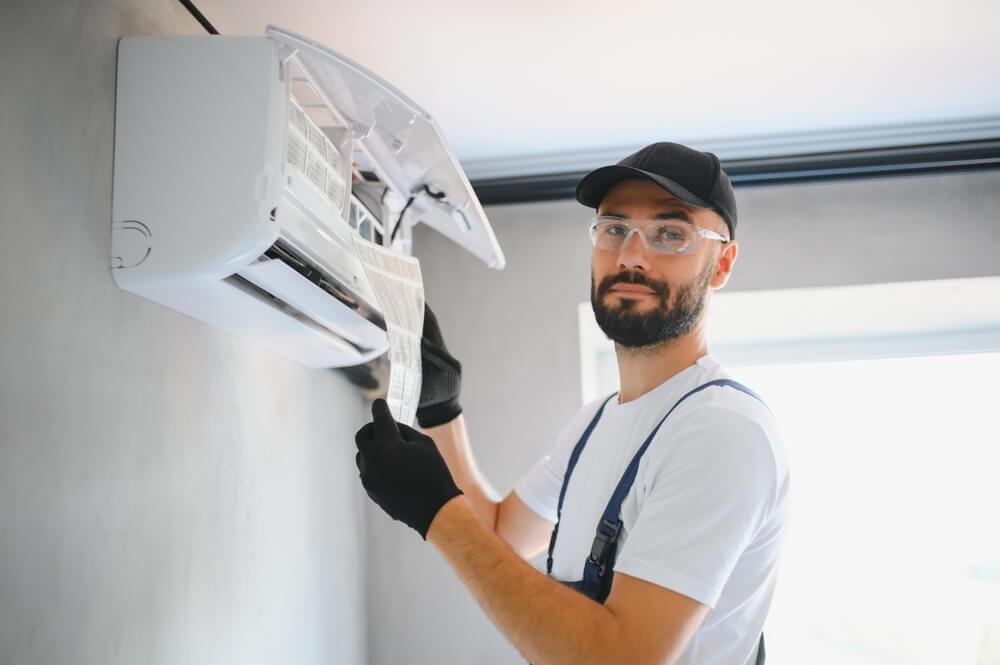
Before signing a contract, don't limit yourself to asking about the total installation price. A good contractor should do more than sell you equipment. They should explain why a particular system is suitable for your home and the conditions in which it will operate.
First, ask how the air conditioner's required capacity was determined. Have them explain which home characteristics were taken into account when calculating the cooling load. The home's square footage alone isn't always enough to determine the required capacity, since the layout, insulation, windows, orientation, ductwork condition, and other characteristics may also matter. If a professional can justify their choice using specific factors rather than simply saying that "a house like this needs a system of this size," that's a good sign.
You should also ask whether your existing ductwork needs to be inspected or upgraded. If the ducts have leaks, insufficient insulation, or other problems, installing a new air conditioner won't necessarily resolve uneven cooling or high electricity bills.
Ask them to compare several models in terms of energy efficiency and explain how much their operating costs are likely to differ. It's equally important to ask how well each system handles humidity control, since that's one of the key comfort factors in Tampa Bay.
Before signing the contract, clarify exactly what's included in the installation price. Does it cover removal of the old equipment, installation of the new outdoor and indoor equipment, electrical work, the thermostat, condensate drainage, and any necessary ductwork modifications? The more thoroughly these items are outlined in the estimate, the less likely you are to encounter unexpected expenses after the work begins.
You should also ask about the equipment warranty and the installation warranty separately. Find out who will handle service if something goes wrong and whether emergency service is available during the period when your air conditioner is working hardest.
If your home is in an area prone to flooding or severe storm impacts, you can also ask the professional whether the outdoor unit requires any special installation considerations. This will help you account for local weather risks before the system is installed.
Preparing Your Air Conditioner for Next Hurricane Season
For Tampa Bay residents, preparing an HVAC system for tropical storms and hurricanes should be part of the home's overall storm preparation. Even if a forecast doesn't call for a direct hit, strong winds, heavy rain, and power outages can create problems for the outdoor unit. Taking a few precautions ahead of the next hurricane season can help reduce the risk of damage.
Before a severe storm approaches, follow the manufacturer's and HVAC professional's recommendations for shutting down the system. If the air conditioner needs to be turned off, don't experiment with electrical components or attempt to protect the equipment in ways not recommended by the manufacturer.
The outdoor unit requires particular attention. Strong winds can carry branches, debris, and other objects that may damage the housing or heat exchanger. After a storm, inspect the outdoor unit, but don't attempt to turn the system on if there is visible damage, flooding, or a suspected electrical issue.
After significant flooding, the air conditioner also needs a professional inspection. Even if the equipment appears undamaged from the outside, water may have reached its electrical components. In such cases, it's safer to wait for a qualified professional to inspect it before restarting the system.
Before the next hurricane season begins, it's helpful to know where your main electrical panel and HVAC disconnect are located. This will allow you to take the necessary steps more quickly during a storm or emergency without having to search for the right switches at the last minute.
At the same time, don't install additional brackets or structures around the outdoor unit yourself without consulting a professional. When protecting the equipment, it's important not to create a new problem, such as obstructing normal airflow or damaging the system's housing.
How to Make the Right Choice
Choosing an air conditioning system for a home in Tampa Bay should start with evaluating the home's needs rather than searching for the cheapest model. The right system should have enough capacity to handle the hottest days, effectively control humidity, avoid unnecessary electricity consumption, and be compatible with the home's existing infrastructure.
For a home with well-maintained ductwork, a modern central AC system may be a logical choice. For individual rooms or buildings without ductwork, a ductless mini-split is worth considering, while a heat pump may be a versatile option for those who want to use one system for both cooling and heating. At the same time, even the best model won't guarantee comfort if its capacity isn't appropriate for the home or if it's improperly installed.
Before making a decision, it's worth getting several detailed quotes from HVAC contractors, comparing equipment, installation terms, warranties, and expected operating costs. This will help you avoid a rushed purchase and better understand exactly what you're paying for.
If your air conditioner needs repairs, replacement, or regular maintenance, you can find an HVAC company in Tampa Bay by searching for professionals on our website. Compare the available options, pay attention to their specialties and service terms, and then choose a professional you can trust to maintain one of the most important systems in your home.


ABOUT TampaBayTide
FOR BUSINESS